

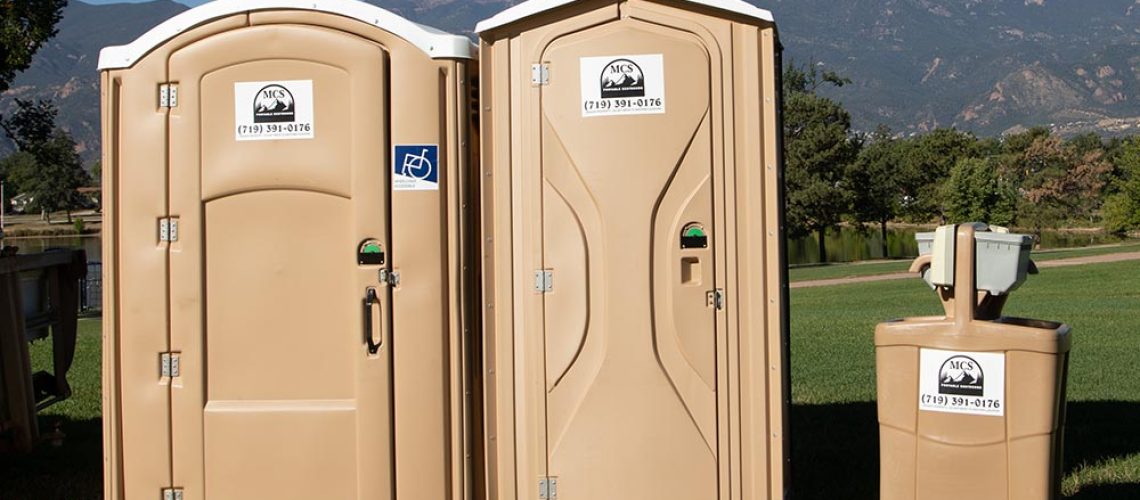
Planning an event, managing a jobsite, or organizing an outdoor festival often leads to the same practical question: how many portable toilets do you need for 100 people?
In most situations, the general recommendation is two portable toilets for 100 people during a four-hour event where alcohol is not served. However, the actual number can vary depending on event duration, whether food and drinks are available, the presence of alcohol, the age of attendees, and whether ADA-compliant units are required.
Renting too few porta potties can create long lines, sanitation issues, and an unpleasant experience for guests. Having the right number of portable toilet rental units on hand helps keep an event running smoothly while maintaining comfort and hygiene.
Quick Answer: Portable Toilets Needed for 100 People
For most events, the following guidelines provide a reliable starting point:
| Number of People | Event Duration | Minimum Recommended Portable Toilets |
| 100 | Up to 4 hours | 2 units |
| 100 | 4–8 hours | 3 units |
| 100 | 8+ hours | 4 units |
| 100 with alcohol service | Up to 4 hours | 3 units |
| 100 with alcohol service | 8+ hours | 4–5 units |
These figures represent common event-planning rules of thumb and may vary depending on local requirements, portable restroom rental company recommendations, or other guidelines.
Why Event Duration Changes the Number
A four-hour community gathering places very different demands on portable sanitation than an all-day outdoor wedding or multi-stage festival. The guest count might be exactly the same, but the number of restroom visits per person climbs steadily as the hours pass — and so does the strain on each unit’s holding tank capacity.
The math is straightforward: a person at a four-hour event might use a portable restroom once or twice. That same person at an eight-hour event could make four or five trips, especially when food and beverages are available throughout the day. Multiply that across 100 guests and the cumulative usage load grows significant well before the event wraps up.
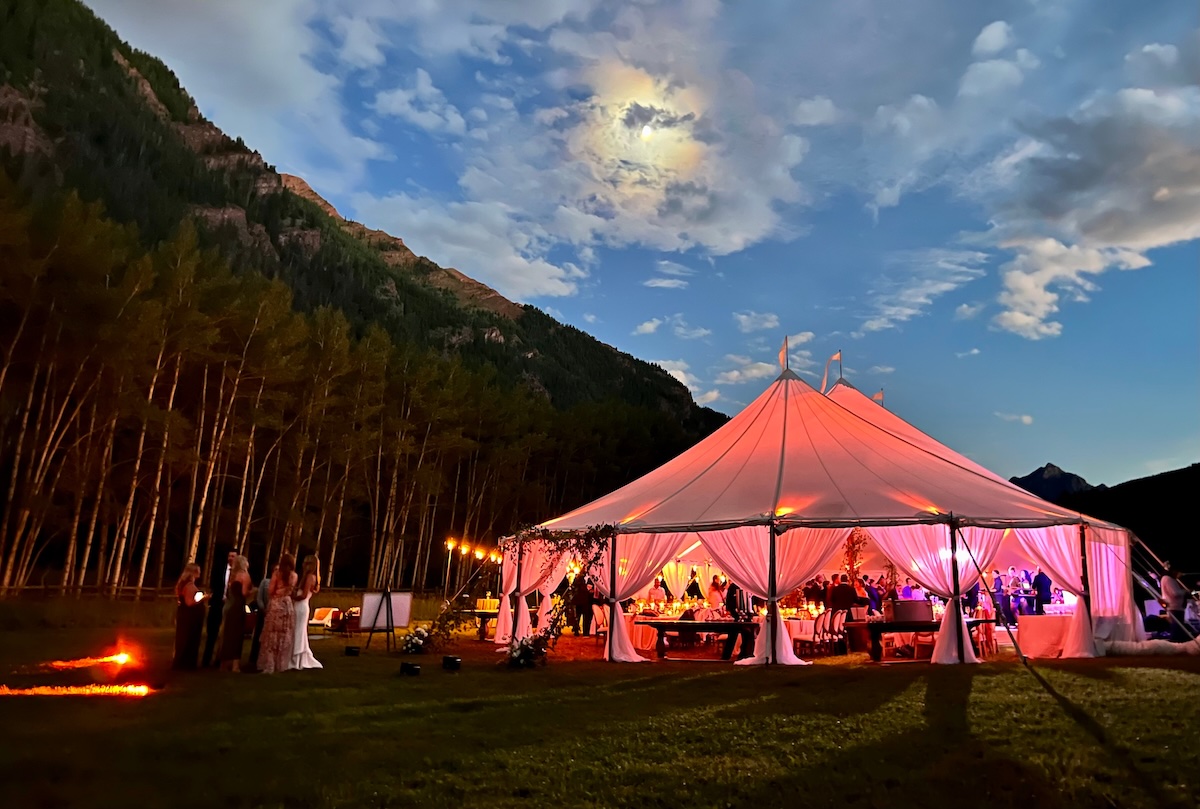
Usage also tends to cluster rather than spread evenly. High-traffic periods — right after a meal is served, during a break between activities, or in the final hour of an evening event — can create restroom lines even when the total unit count seems adequate on paper. Longer events create more of these peak demand windows, which is why hours on-site matters as much as headcount.
Holding tank capacity is the other limiting factor. Standard portable toilets are built to handle a set number of uses before requiring pump-out service. For events that don’t include mid-event servicing, the units need enough capacity to absorb the full day’s usage from the first guest to the last. Adding one additional unit distributes that load and removes the risk of a tank reaching capacity before the event ends.
A few real-world examples show how this scales:
- A 3-hour company picnic with 100 attendees and no alcohol typically needs 2 units.
- A 6-hour outdoor wedding reception — with a meal, toasts, and an open bar — generally calls for 3 to 4 units.
- An all-day festival running 10 or more hours may require 4 to 5 units for the same crowd, particularly when mid-event pump-out isn’t scheduled.
When estimating portable toilet needs, event duration is not a secondary consideration — it carries as much weight as attendance. When the timeline is long or uncertain, rounding up by one unit is almost always the right call.
How Alcohol Affects Portable Toilet Rental Requirements
When alcohol is served, restroom usage tends to increase throughout the event. Beer, wine, cocktails, and other alcoholic beverages generally lead to more frequent trips to the restroom, which means the same number of guests can place much heavier demand on portable toilet facilities than they would at an event serving only water, soft drinks, or coffee.
Research suggests that two to three alcoholic drinks can increase urination by roughly 50% compared to a normal day (Source) — which goes a long way toward explaining why the same 100 guests need more units when an open bar is involved.
The impact becomes more noticeable as the event progresses. A gathering that starts with minimal restroom traffic may see longer lines later in the day as guests continue eating, drinking, and spending time onsite. This is especially common at weddings, festivals, outdoor parties, tailgates, and corporate events where alcohol service lasts for several hours.
For that reason, many event planners increase the recommendation from two portable toilets to at least three when hosting 100 guests and serving alcohol. The goal is not only to provide enough restroom capacity but also to reduce wait times during peak periods, such as before meals, between activities, or toward the end of the event when restroom demand often spikes.
If beverage service continues throughout a longer event, renting an additional unit is often a worthwhile precaution. The cost of one extra portable toilet is usually small compared to the inconvenience of long lines, overcrowded facilities, and the negative impression that inadequate restroom access can leave on guests. In most cases, having slightly more restroom capacity than you ultimately need creates a better experience than finding out too late that you did not rent enough units.
Portable Toilets for a 100-Person Wedding
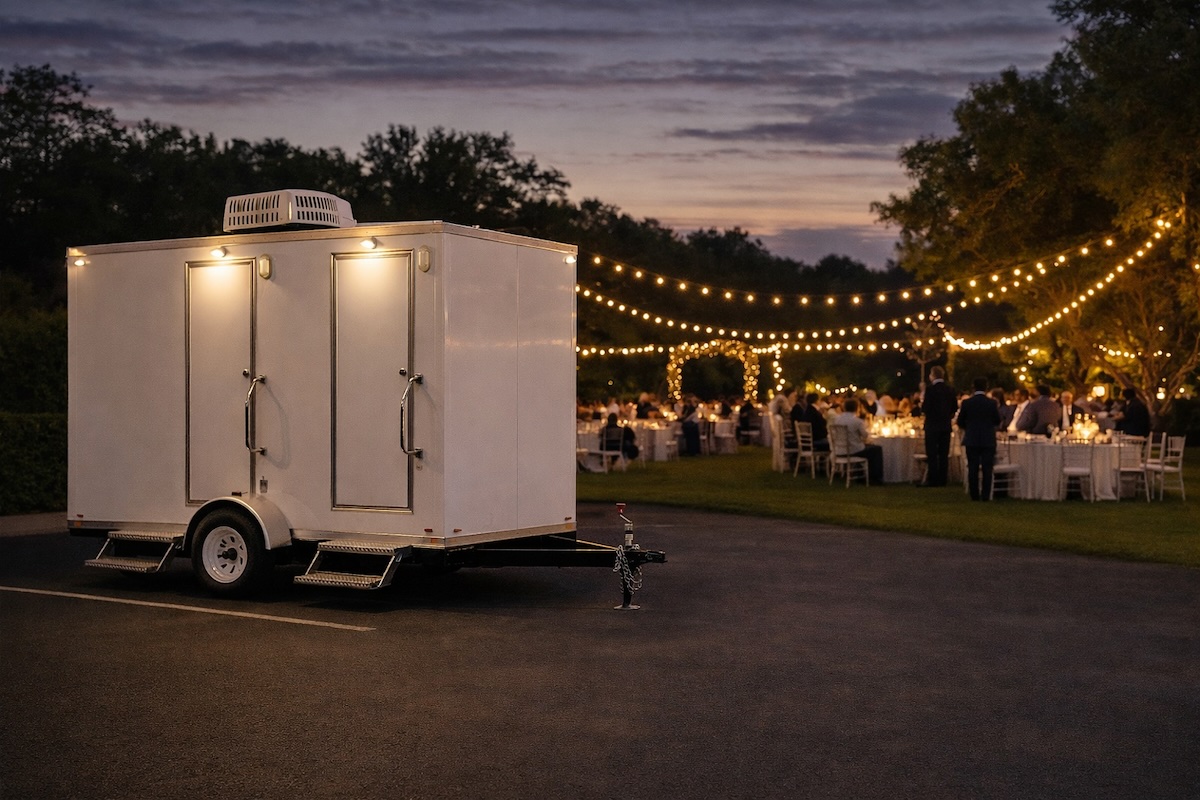
Wedding restroom planning deserves special consideration because guests typically expect a higher level of comfort than they would at a construction site or outdoor sporting event.
For a wedding with 100 guests:
- 3 portable toilets is often the minimum recommendation.
- 1 ADA-accessible unit should be considered.
- Luxury restroom trailers may be preferred for upscale events.
- Additional units may be needed if alcohol is served.
Many wedding planners choose restroom trailers because they offer flushing toilets, running water, climate control, mirrors, and upgraded finishes.
Portable Toilets for a Construction Site with 100 Workers
Construction sites operate under different sanitation logic than events. There’s no defined end time, no guests heading home at a set hour, and no meal break after which restroom demand tapers off. Workers arrive, perform physically demanding labor for 8 to 10 hours straight, and the portable restrooms on site need to hold up through the full workday — day after day, for the life of the project.
Requirements may also be influenced by OSHA standards and jobsite-specific conditions. OSHA standard 29 CFR 1926.51 establishes minimum sanitation requirements for construction worksites. For crews of 20 or more, the standard requires one toilet seat and one urinal per 40 workers. On a site with 100 workers, that works out to a minimum of three facilities, though most contractors go beyond that threshold for practical reasons — particularly on larger sites where walking to a single cluster of units cuts into productive work time. Important: Make sure to double-check these and any and all other requirements related to your industry directly from the source before renting units.

For a site with approximately 100 workers present daily, multiple portable restroom units are typically required throughout the project. Placement across large jobsites is also important to ensure convenient access.
Construction workers consume more fluids than sedentary workers, especially in warm weather or on physically intensive sites. Higher fluid intake means more frequent restroom trips, and that needs to factor into the unit count alongside raw headcount.
Unlike a single-day event, a construction project can run for weeks or months, which makes service frequency a real consideration. Standard portable toilet service typically runs weekly, but high-traffic sites with 100 workers may need more frequent pump-out to stay ahead of odor and sanitation problems. Hand-washing stations are also worth factoring in, particularly on sites involving hazardous materials, concrete work, or chemical handling — and some jurisdictions require them as a condition of the permit.
Contractors should consult applicable regulations and local requirements before determining final restroom quantities.
Do You Need an ADA-Compliant Portable Toilet?
Accessibility is an important consideration when planning portable restroom rentals for any event, gathering, or jobsite. While attendance numbers often drive decisions about how many portable toilets to rent, it is also important to think about whether those facilities can be comfortably used by everyone who may be present.
ADA-compliant portable toilets are designed with additional interior space, wider door openings, and layouts that accommodate individuals who use wheelchairs, walkers, or other mobility aids. The larger footprint also makes these units easier to use for some elderly guests, parents assisting children, and individuals who simply need more room than a standard portable toilet provides.
Many event organizers choose to include at least one ADA-accessible unit regardless of attendance size. For a gathering of 100 people, adding an accessible restroom is often a practical step that helps ensure all guests have access to appropriate facilities. Even when it is not specifically required, having an ADA-compliant unit available can prevent situations where a guest arrives and finds that the restroom facilities do not meet their needs.
Requirements can vary depending on the venue, event type, and local regulations. Some municipalities, public events, parks, and permitted gatherings may require accessible restroom accommodations as part of the approval process. Rental providers are often familiar with local requirements and can help determine whether ADA-compliant units should be included in the rental order.
Beyond regulatory considerations, accessible portable toilets can improve the overall guest experience. They provide greater flexibility, help accommodate a wider range of attendees, and demonstrate that accessibility was considered during the planning process. For many events, including at least one ADA-compliant portable toilet is a relatively simple addition that can make the restroom setup more functional and welcoming for everyone.
Portable Toilet Calculator for 100 Guests
Use this simple formula as a starting point:
Base Recommendation
100 attendees = 2 portable toilets
Add More Units If:
- Event exceeds 4 hours
- Alcohol is served
- Food service is extensive
- Large numbers of children are present
- Significant attendance fluctuations are expected
- Accessibility accommodations are needed
When multiple factors apply simultaneously, adding an extra restroom is usually preferable to risking long lines.
Common Mistakes When Renting Portable Toilets
Underestimating Attendance
Guest counts often exceed expectations, especially at public events.
Ignoring Beverage Consumption
Beverages, especially alcoholic beverages, frequently increase restroom usage more than planners anticipate.
Forgetting Peak Demand Periods
Restroom lines tend to form during breaks, meal periods, and event transitions.
Not Including Accessible Facilities
Accessibility requirements should be considered from the beginning of the planning process.
Choosing the Bare Minimum
Portable toilet shortages are one of the most common complaints at outdoor events.
Portable Toilet Requirements by Event Type
Corporate Events
For 100 attendees, two to three units are usually sufficient depending on duration.
Weddings
Three or more units are commonly recommended, particularly when alcohol is served.
Festivals
Four or more units may be appropriate because attendees remain onsite for extended periods.
Sporting Events
Two to three units often work well for smaller crowds with moderate turnover.
Community Gatherings
Two units may be sufficient for short events without alcohol.
Frequently Asked Questions
Is two portable toilets enough for 100 people?
For a short event lasting four hours or less, two portable toilets is often considered the minimum recommendation. Longer events typically require additional units.
How many porta potties do I need for 100 guests at a wedding?
Most wedding planners recommend at least three portable toilets for 100 guests, especially when food and alcohol are part of the event.
How many portable toilets do I need if alcohol is served?
For 100 people, increasing the count from two units to three or more is generally recommended when alcohol is available.
Should I rent an ADA portable toilet?
Including at least one ADA-accessible restroom is often a good practice and may be required depending on the event or venue.
Is it better to rent extra portable toilets?
In most cases, yes. The cost of an additional unit is usually small compared to the inconvenience of long restroom lines and guest dissatisfaction.
Final Answer
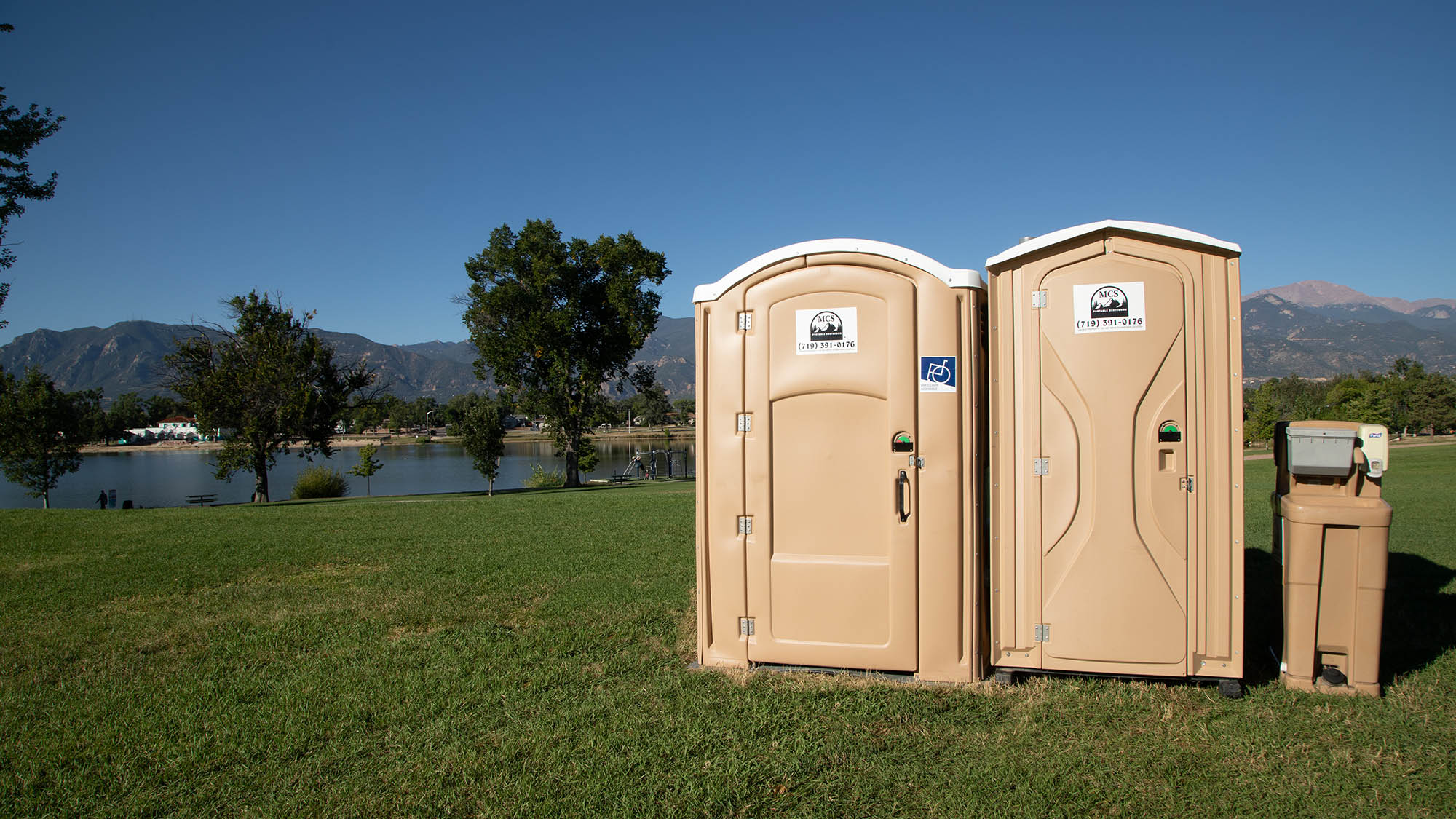
If you’re wondering how many portable toilets for 100 people are needed, the most common recommendation is two portable toilets for a short event of up to four hours. For longer events, weddings, festivals, or gatherings where alcohol is served, three to five units may be more appropriate.
In some situations, particularly for all-day events, four or even five units may be appropriate despite having only 100 attendees.
Accessibility should also be part of the planning process. Including an ADA-compliant portable toilet can help accommodate a wider range of guests and may be required depending on the venue or local regulations. Considering accessibility needs early can help avoid last-minute adjustments and create a more comfortable experience for everyone attending.
Ultimately, there is no single answer that fits every situation. While two portable toilets is a common recommendation for 100 people, the right number depends on the details of the event itself. Evaluating attendance, event duration, food and beverage service, accessibility requirements, and anticipated restroom traffic will provide a much more accurate estimate than relying on guest count alone. When there is uncertainty, renting one additional portable toilet is often a relatively inexpensive way to reduce lines, improve guest comfort, and avoid restroom-related issues during the event.