
Event planning usually starts with the obvious stuff—food, layout, music, all the things people will actually see and remember. But pretty quickly, the practical side kicks in. You start thinking about how the space is going to function once people show up.
Restrooms are a big part of that.
Whether you’re putting together a festival, running a job site, or hosting something at home, having the right number—and the right type—of restrooms makes a noticeable difference. When it’s handled well, nobody thinks twice about it. When it’s not, it becomes a problem fast.
This guide breaks down how portable restroom rental works, when to use different types, and tips for planning ahead.
Start With the Two Core Options for Portable Restroom Rental
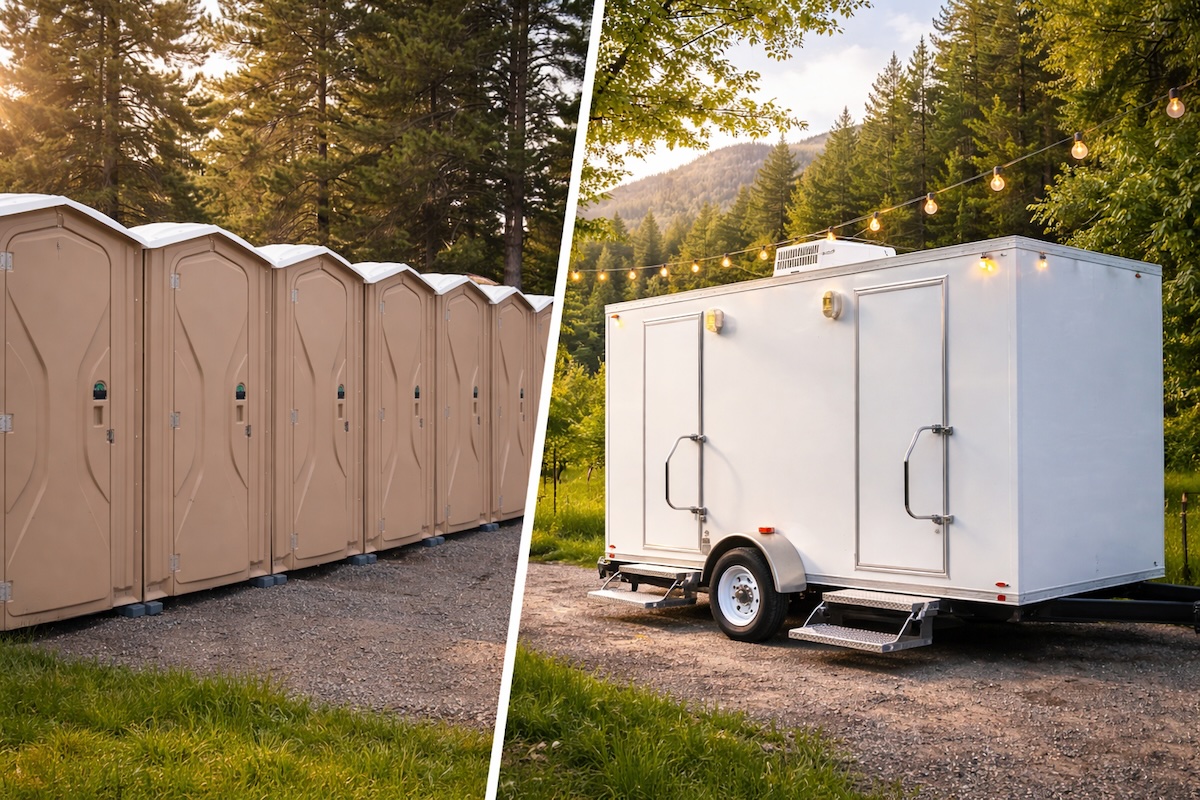
Before getting into details, it helps to understand that most rentals fall into two broad categories:
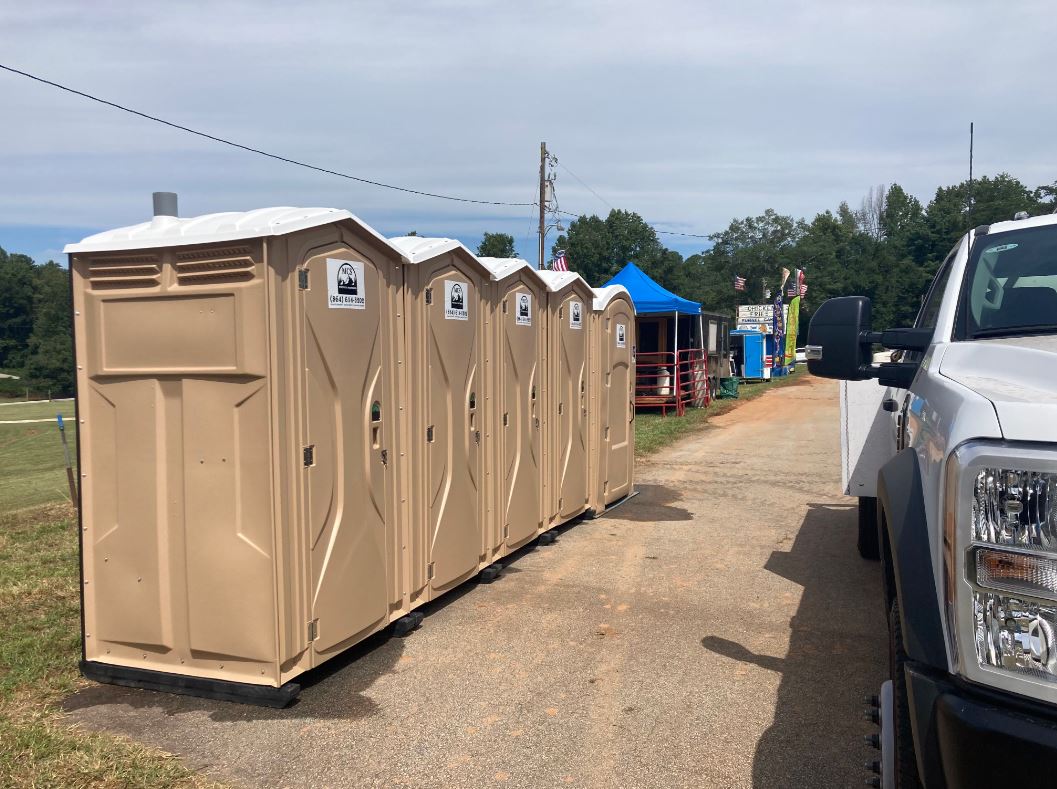
Standard Portable Toilets
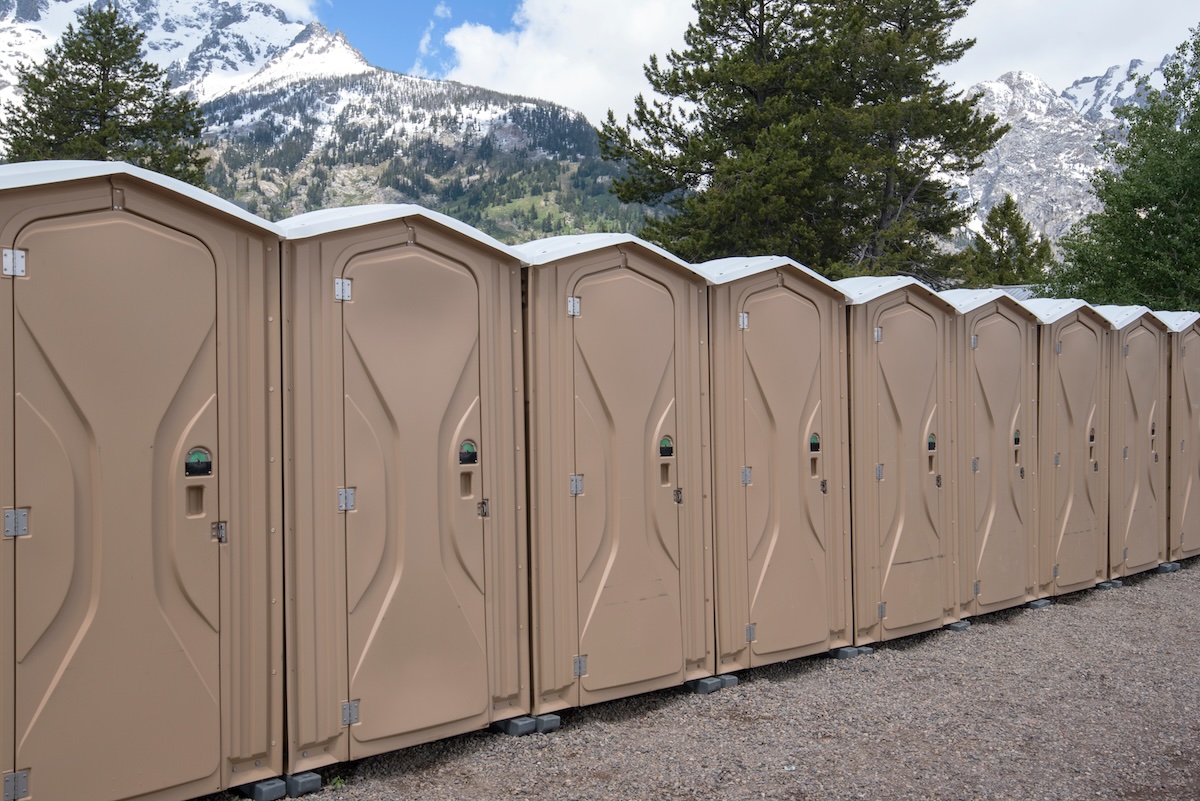
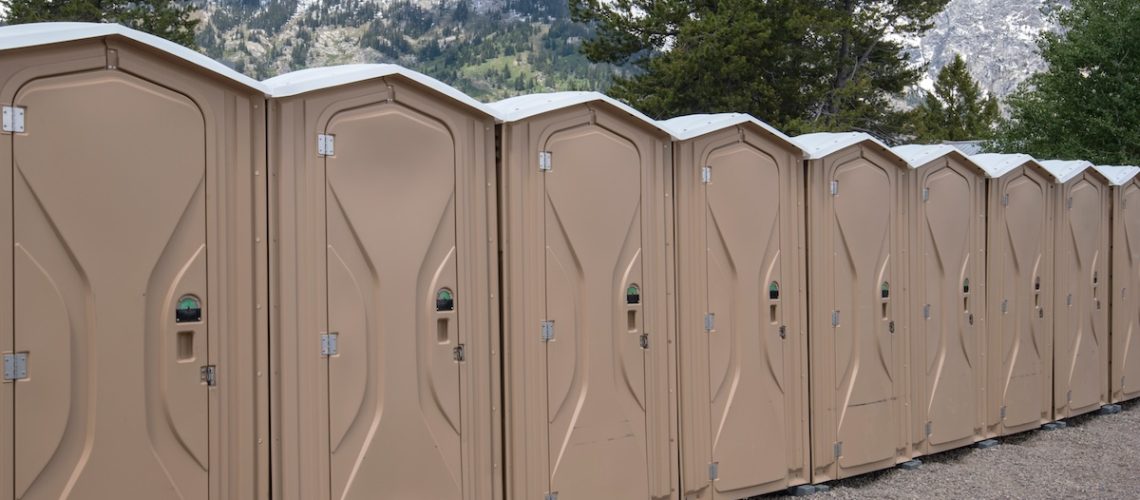
These are the familiar standalone units seen at job sites, races, and public events. They’re simple, durable, and designed to be deployed quickly in large numbers.
They work best when:
- You need coverage across a wide area
- Budgets are tight
- Setup and removal need to be fast
- The environment is rugged or high-traffic
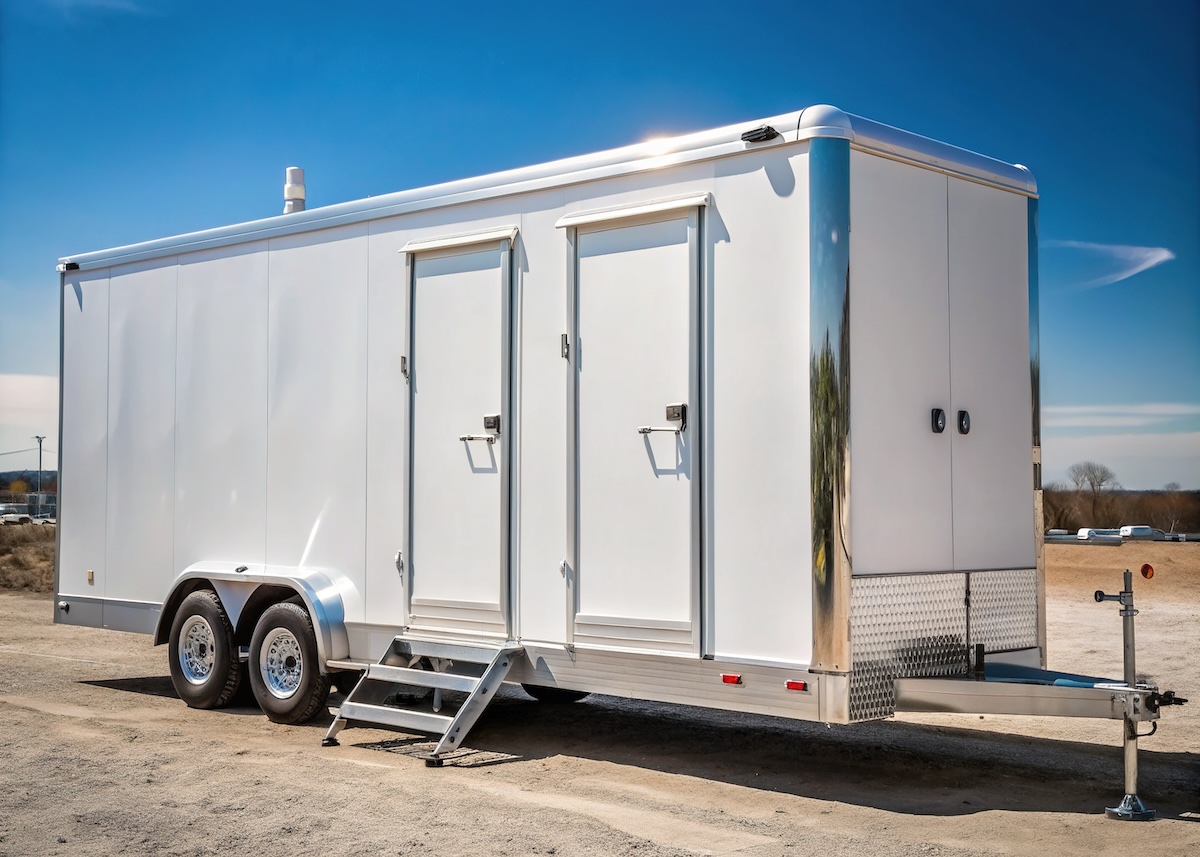
Restroom Trailers
If you’ve never seen or used one of these in real life, you can think of these as mobile indoor bathrooms. They include features like flushing toilets, sinks, lighting, and climate control.
They’re typically used when:
- Guest comfort is a priority
- The event has a formal or upscale tone
- Weather conditions could be an issue
- You expect sustained, heavy usage in one central area
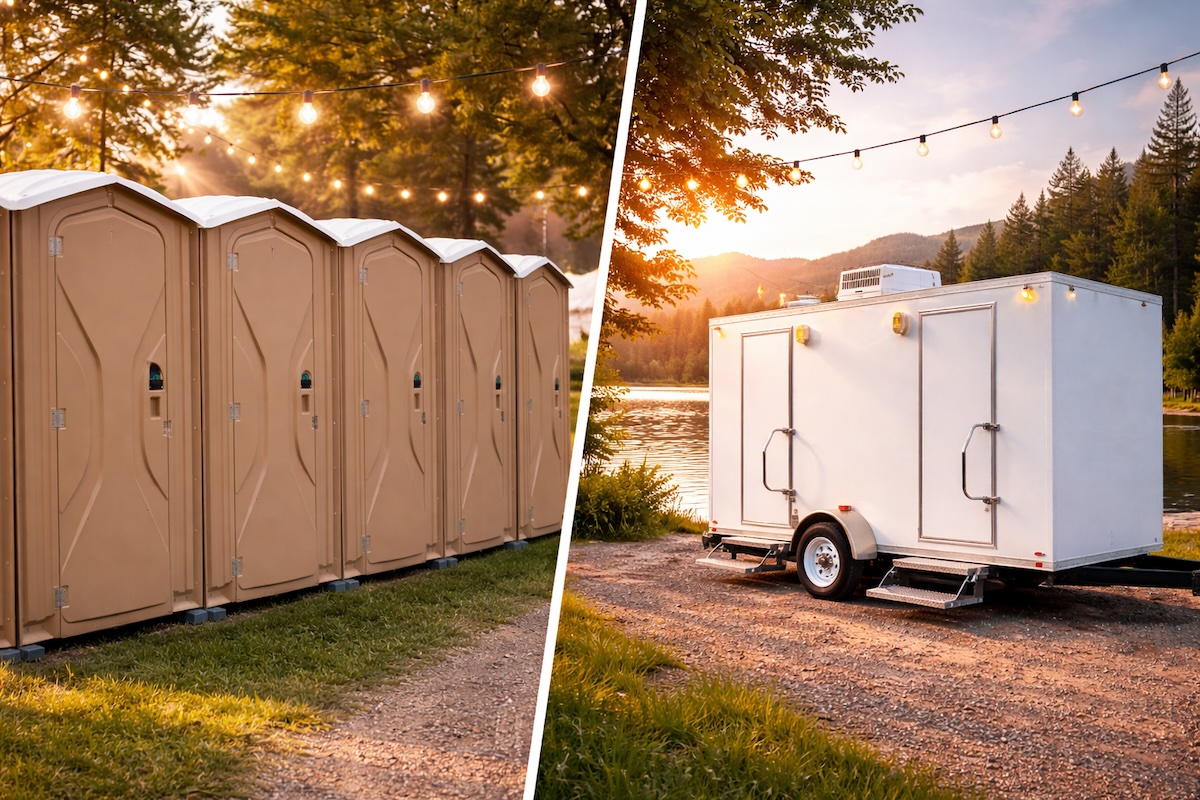
Some real-world setups use a mix of both of these types of portable restrooms, standard units for volume, trailers for comfort.
What Standard Portable Restrooms Do Well
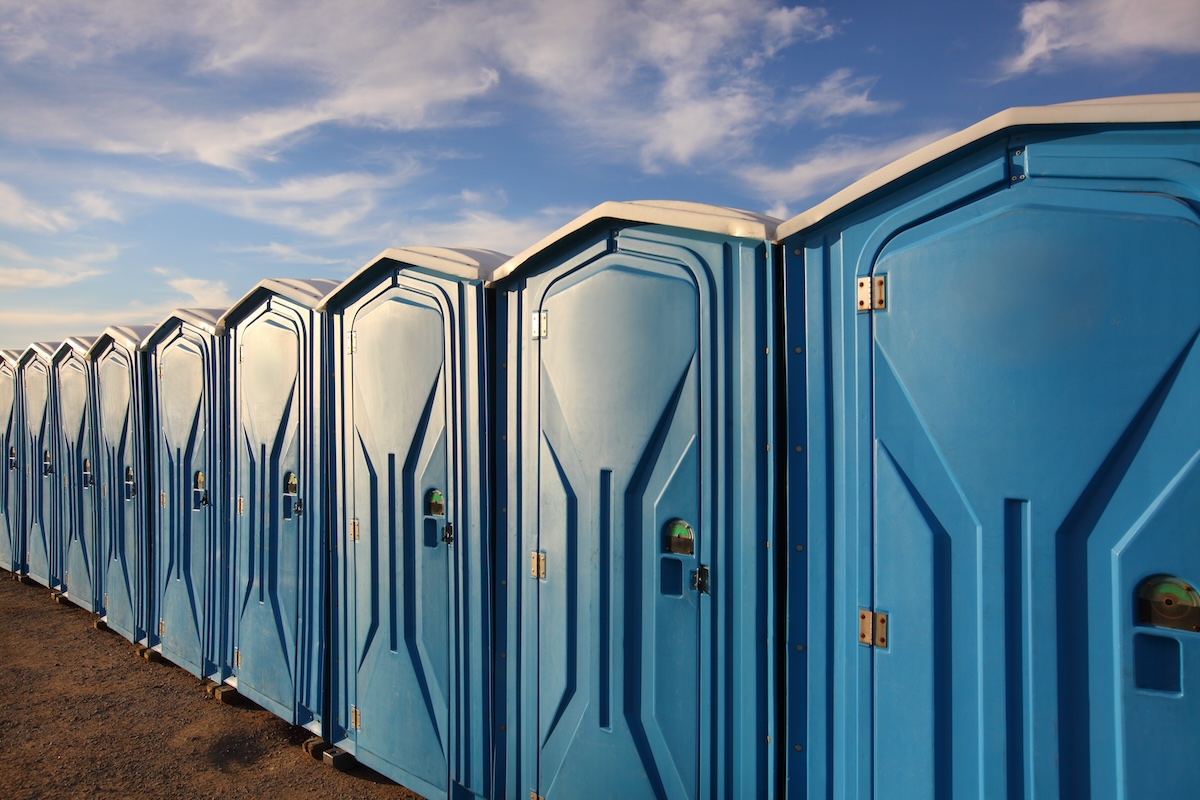
It’s easy to underestimate basic units because they’re so common. But their design is intentionally minimal for a reason: reliability.
A typical unit includes:
- A sealed waste tank capable of handling dozens of uses
- A ventilation pipe that directs airflow upward
- Durable plastic construction that withstands transport and weather
- A toilet seat and urinal designed to reduce splash and mess
- Hand sanitizer or optional handwashing add-ons
They don’t rely on plumbing, electricity, or water connections. That independence is what makes them so effective in remote or temporary environments.
On long-term job sites, especially, their value becomes obvious. With regular servicing, they can operate for months without disruption.
The difference between an acceptable unit and an unacceptable one typically comes down to the quality of servicing/maintenance, not necessarily the unit itself.
Three factors determine performance:
1. Airflow
Each unit is designed with a vertical vent pipe that helps move air up and out of the tank. It’s a simple system, but it does a lot of the heavy lifting when it comes to keeping odors from lingering inside the space.
2. Treatment Chemicals
The holding tank isn’t just a container—it’s treated with chemicals that break down waste and help control bacteria. These treatments also play a big role in managing odor over time, especially during heavy use.
3. Service Frequency
This is the factor that makes the biggest difference day to day. Regular servicing—pumping the tank, cleaning surfaces, and restocking supplies—is what keeps units usable. Even a well-designed restroom will go downhill quickly if it’s overused without being serviced often enough.
When planners cut corners, it’s typically by underestimating usage. Too few units lead to overuse, which leads to faster odor buildup and poor conditions.
Choosing the Right Type of Portable Unit
Not all standalone units are identical. Different configurations exist for specific needs:
Basic Units
The standard model with a toilet, urinal, and sanitizer.
Sink-Integrated Units
Include a built-in handwashing station with a water reservoir—ideal where hygiene standards are higher.
High-Capacity Models
Designed for extended use, with larger tanks and reinforced construction.
ADA-Accessible Units
Wider interiors, ground-level access, and support rails for accessibility compliance.
Specialty Options
- Crane-liftable units for high-rise construction
- Compact units for tight urban spaces
- Solar-lit versions for nighttime use
Selecting the right type isn’t just about comfort—it directly affects maintenance needs and user flow.
Where Portable Restrooms Are Used Most
Portable restrooms tend to show up anywhere permanent plumbing isn’t available, or simply isn’t enough for the number of people on site. While the possible use cases for portable rental toilets and sinks (portable handwash stations) are very broad, a few situations naturally come up again and again.
Construction Sites
This is probably the most consistent use case. Crews need reliable, everyday access to restrooms over weeks or months at a time. Units are usually placed in fixed locations and serviced on a regular schedule—often once or twice a week depending on crew size. Durability matters here, along with easy access for service trucks.
Outdoor Events
From local 5Ks to multi-day festivals, temporary events rely heavily on portable restrooms. The challenge isn’t just availability—it’s distribution. Units need to be spread out so people aren’t walking too far or crowding into one area. For larger events, planners often combine standard units with a few higher-end options in VIP or staff areas.
Parks and Recreation Areas
You’ll often see portable restrooms in places where permanent facilities either don’t exist or aren’t practical—trailheads, boat ramps, campgrounds, and marinas. These are usually placed for seasonal use or in remote spots where running plumbing would be expensive or disruptive to the environment.
Private Property and Residential Events
This is one people underestimate all the time. Backyard weddings, family reunions, lake house weekends—any gathering where dozens of people are using the same home’s plumbing can push things past their limit. Even if everything seems fine at first, the strain adds up quickly over a few hours.
One of the most common oversights is assuming a residential septic system can handle event-level traffic. In reality, it often can’t. Bringing in a few portable restrooms upfront is usually a simple way to avoid backups, slow drains, or bigger issues after the fact.
When It Makes Sense to Upgrade to a Restroom Trailer

Standard units handle volume efficiently. But they’re not always the right experience for every event or site. Luxury restroom trailers or “comfort stations” are there to fill needs when expectations of comfort are higher.
They typically include:
- Flushing toilets
- Running water and sinks
- Interior lighting
- Heating and air conditioning
- Mirrors, counters, and finished interiors
- Separate entrances for men and women (in many models)
Beyond comfort, trailers solve practical challenges. They manage high throughput without feeling crowded and remain usable in extreme temperatures.
They’re especially common at:
- Weddings
- Corporate events
- VIP sections at festivals
- Multi-day gatherings with consistent traffic
Restroom trailers offer a noticeably more refined experience than standard units, but that upgrade comes with a bit more planning on the front end. The setup isn’t complicated, but it does require some coordination to make sure everything runs smoothly once guests arrive.
Power
Trailers rely on electricity to operate lighting, ventilation, and climate control. Depending on the location, this can come from a standard electrical hookup or a dedicated generator. For events where ambiance matters—like weddings or evening functions—consistent power is what keeps the space comfortable, well-lit, and usable throughout the entire event.
Water Supply
Some trailers are fully self-contained, using onboard fresh water and waste tanks. Others can connect directly to a water source, which is often preferred for longer events or higher guest counts. The right choice depends on the duration of use and what utilities are available on-site.
Placement
Location plays a bigger role than most people expect. Trailers need level, stable ground for safe operation, along with enough space for delivery, setup, and guest access. You’ll also want to think about proximity—close enough to be convenient, but positioned in a way that feels natural within the overall layout of the event.
Access and Setup Timing
Because trailers are larger and require leveling and utility connections, they benefit from being delivered ahead of time rather than at the last minute. This allows for proper setup, testing, and any small adjustments before guests arrive.
While these extra considerations take a bit more effort, they’re usually well worth it. When everything is in place, a restroom trailer doesn’t just meet a basic need—it becomes part of a more comfortable, polished overall experience.
Estimating How Many Units You Need
Here are a few quick, general starting points to start out. (Note: These aren’t guidelines for every situation, but they’ll give you an idea to work from.)
Standard Units
- 1 unit per 75–100 people for a 4–6 hour event
- Add 20–30% more if alcohol is involved
- Increase servicing for multi-day use
Restroom Trailers
- Roughly 1 stall per 50–75 guests
- Daily servicing for long or high-traffic events
For construction sites and similar work areas, requirements are often dictated by workplace regulations (e.g. OSHA sanitation standards, potentially including but not necessarily limited to 29 CFR 1910.141, 29 CFR 1926.51 and 29 CFR 1928.110). As with most situations like these, when in doubt, slightly overestimating is far better than falling short.
Placement and Logistics Tips
Even the right number of units can fail if they’re poorly placed.
Keep in mind:
- Units should be easy for guests to find, but not central to the event
- Service trucks need clear access without disrupting activities
- Trailers require additional space for entry, leveling, and stairs
- Shade can significantly reduce odor buildup in warm climates
Good placement keeps restrooms convenient without making them the focal point.
Making the Right Call for Your Event
There’s no single “best” option—only the right fit for your situation.
- Use standard units to handle scale efficiently
- Add trailers where comfort, appearance, or climate control matter
- Combine both when you need balance
This layered approach is what most experienced planners rely on.
The Bottom Line
Restrooms are one of those details that live in the background—right up until something goes wrong. When they’re planned well, they don’t draw attention. People find them easily, use them without hassle, and move on. Lines stay manageable, the space stays reasonably clean, and the event keeps its momentum.
For many situations, that’s really the goal. Not to impress anyone with the restrooms themselves, but to make sure they never become a distraction. (Of course, trailer-style portable restrooms are there for when you do want to impress your guests, e.g. at an upscale wedding or other event.)
Most of the issues people run into come down to a few simple things: not having enough units, placing them poorly, or underestimating how quickly they’ll be used. Those are easy problems to avoid with a bit of upfront planning, and fixing them later is usually much harder.
When you get it right, everything else benefits. Guests are more comfortable, staff spend less time dealing with complaints, and the overall experience feels more organized. It’s not the most exciting part of planning, but it’s one of the pieces that holds everything together.