

Introduction
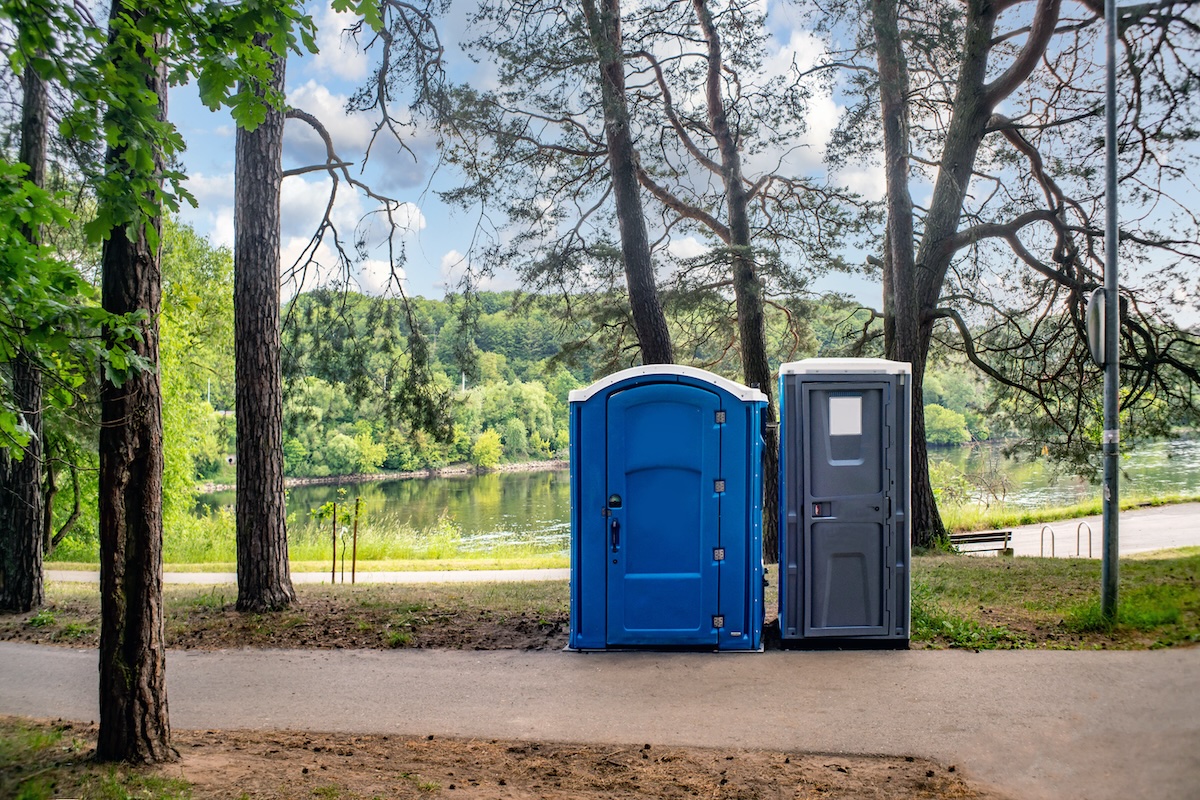
Portable restrooms are one of those things you barely notice—until you really, really need one. They’re everywhere: perched at the edge of construction zones, lined up behind concert barricades, tucked discreetly behind wedding tents. And yet, they almost never get discussed during the early stages of planning. They’re treated like an afterthought, a last-minute checklist item.
But in practice, they’re basic infrastructure.
Because when the crowd shows up, or the crew clocks in, or the caterers start plating entrees, the one thing everyone assumes will quietly work in the background—just like power, parking, or water—is sanitation. If you’ve ever been on a site with not enough restrooms, or the wrong type, or one that hasn’t been serviced in days, you know exactly how fast it becomes a problem.
Portable sanitation is absolutely essential. And the more people what kinds of units exist, what sort of capacity to plan for, how often they should be serviced, and what the logistical constraints really are, the smoother things tend to go . It’s not simply having a toilet available—it’s making sure people aren’t walking halfway across a venue to find one, or stepping into something they’d rather not. When done right, portable restrooms disappear into the flow of the event, or the pace of the workday. When done wrong, they become what everyone remembers.
A Quick Note on Regulations & Local Requirements
Before we go any further: this guide is not a legal authority and does not replace local ordinances, health codes, ADA regulations, or zoning requirements. Every jurisdiction has its own rules, which can affect everything from where you can place a unit to how many are required, how often they’re serviced, or whether you need permits to use them on public or private land.
Always confirm the current local requirements with your city or county building department, event permitting office, or health inspector—especially if:
- The event is open to the public
- Food or alcohol will be served
- You’re placing units near storm drains, bodies of water, or flood zones
- You’re setting up in parks, roadways, easements, or sidewalks
- Your use is long-term or related to government projects
Vendors may help handle permitting, but don’t assume it’s done unless you have it in writing.
Where Portable Restrooms Fit in the Planning Timeline
Portable restroom rental tends to come up late in the process—sometimes too late. But depending on the setting, their placement can affect access routes, permitting, even electrical and water logistics if trailers are involved.
For Construction & Work Sites
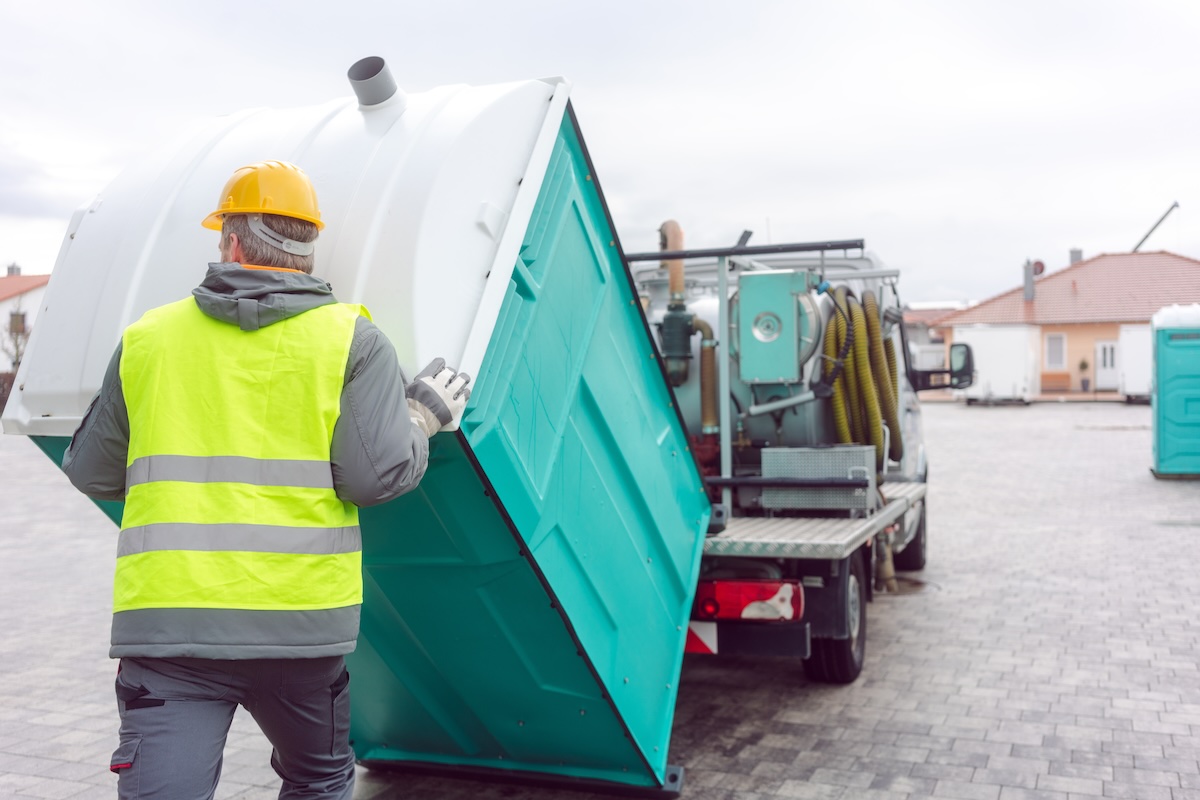
Restroom rental for job sites should be addressed before your first crew is scheduled to arrive—even if vertical construction hasn’t begun. Units are often delivered right after land clearing, sometimes before equipment staging or tool storage.
General guideline:
- 1–2 weeks before work begins
- Coordinate with site supervisors and the GC
- Plan placement early, especially if fencing or gravel will block access later
- Reevaluate placement monthly if work areas shift or new trades come in
For high-rise or phased sites, it’s worth asking about crane-liftable or rolling high-rise units early—they’re not always in stock and may need to be reserved.
For Private Events (Weddings, Backyard Parties, etc.)
Trailers and premium restrooms are often available in limited quantities, especially in peak spring/summer months. And unlike standard units, trailers require power, flat ground, and clearances that may affect your tent or layout plans.
When to book:
- As soon as your venue is secured
- Confirm available power sources—many trailers require two separate 20-amp circuits
- Ask your planner or rental coordinator if other vendors (like caterers or DJs) will share circuits
Planners often treat restrooms as part of the layout—but if it’s a private residence or blank-slate property, restrooms might be the first thing that needs power.
For Public Events & Festivals
Festivals, races, community fairs, or concerts need restrooms baked into the site plan—both for practical use and compliance. The earlier they’re addressed, the smoother your approval process with local agencies will go.
Ideal timeline:
- Before submitting permit applications or layout maps
- Work with your vendor to confirm ADA access paths and quantity requirements
- Coordinate restroom locations with trash, food, medical, and security zones
- Ask if the city or parks department has placement restrictions or setback requirements
Some municipalities require you to show restroom placement on your official site diagram. Others want to see a servicing plan and accessibility strategy before issuing permits.
For Long-Term or Emergency Use
If you’re setting up portable restrooms for disaster response, displacement, or long-term field use, the planning window may be short—but placement strategy still matters. Some vendors can deploy within 24 hours, but you’ll need to confirm road access, tank servicing intervals, and anchor points if weather is a factor.
More About Renting Portable Restrooms
Restrooms tend to be “invisible” until there’s a problem. When people can’t find one, or it’s filthy, or there aren’t enough, it affects everything—worker morale, public health, event ratings, and even legal compliance.
There’s no universal model that fits all scenarios. A single-day barbecue needs something very different than a two-month construction site or a 500-person outdoor gala. Most people rent more units than they think they’ll need—and regret it less than those who don’t.
Types of Portable Restrooms You Can Rent
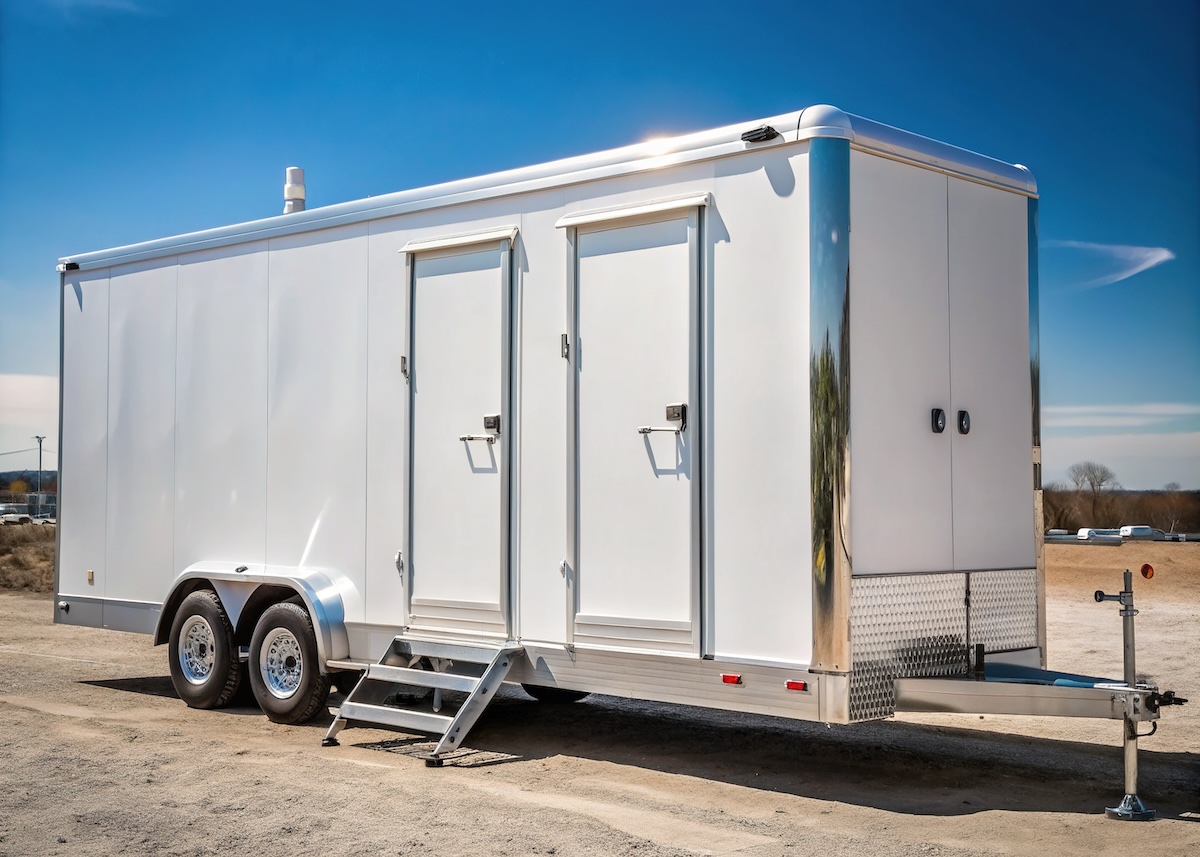
Forget the image of a single blue plastic cube. The term “portable restroom” now spans a wide range of units, some basic and disposable, others polished enough for VIP use. Here’s a breakdown of the most common types:
Standard Single-Stall Units
- Molded plastic enclosures with non-flush holding tanks
- Urinal, seated toilet, hand sanitizer (sometimes)
- No plumbing, no running water
- Most common for short-term job sites or large festivals
- Average capacity: 60–80 uses before service is needed
These are workhorses. Nothing fancy, but they hold up well with proper placement and regular service.
Restroom Trailers (Luxury and/or Multi-Stall)
- Actual flush toilets connected to onboard water/waste systems
- Running sinks, lighting, mirrors, and climate control
- Can include hardwood-style floors, music, fragrance diffusers
Trailers are not just upscale—they’re different tech. These require level ground, electricity, and often water hookup (or come with onboard tanks). They’re treated more like temporary facilities than disposable rentals.
ADA-Compliant & Wheelchair-Accessible Units
- Extra-wide doors
- Flat or ramped access
- Interior handrails, turning radius space
Specialized Units
- Crane-liftable: construction towers and job sites with elevation
- High-rise rolling units: narrow profile for elevators and unfinished buildings
- Shower trailers: long-term disaster relief or camps
- Handwashing stations: standalone sinks that can be paired with standard units
Common Rental Scenarios (And What to Expect)

Construction/Industrial
These rentals are driven by regulation and daily volume. OSHA requires 1 toilet per 10 workers for a 40-hour workweek. Sites with multiple crews or long shifts may need more. For remote locations or industrial plants, rugged service access and winterization may be needed.
Site tip: Be realistic about access. If a pump truck can’t reach the unit, it won’t be serviced. Gravel lots, narrow drives, or unfinished roads can create unexpected headaches.
Events (Concerts, Festivals, Fairs)
Planning for event restrooms is part math, part crowd psychology. Planners use capacity calculators, but here’s the gist:
- 1 standard unit per 50 people for a 4–5 hour event
- Add 10–15% if alcohol is served
- Add more units for women-heavy crowds (urinal-less units slow traffic)
- Don’t skimp on ADA units—especially if your permit requires a set ratio
More important than numbers? Distribution. If your event site has five zones but restrooms are all clustered in one, you’ll still have lines and complaints.
Weddings, Parties, Private Events
A single restroom trailer with men’s and women’s sides (or two unisex stalls) can serve 100+ guests with comfort. Lighting, climate control, and décor are all important here—not just cleanliness.
Power tip: Trailers require either a generator or access to 20-amp power on separate circuits. Ask your vendor if they supply power, and check if your venue has outdoor outlets with enough juice.
Emergency, Disaster & Remote Ops
In disaster recovery zones, utility outages, and wildfire response areas, restrooms are about basic dignity and logistics. These are often paired with shower trailers and maintained on a fixed rotation—daily or every other day—based on number of displaced residents or crew.
How Often Do Portable Outdoor Toilets Need to Be Serviced?
Servicing = pumping the waste tank, sanitizing the interior, refilling toilet paper and hand sanitizer (or restocking water if there’s a sink).
- Standard units: every 60–100 uses or once per week on job sites
- High-traffic events: sometimes multiple cleanings per day
- Trailers: require tank monitoring; most need pumping every 100–150 flushes
The number of people using a unit, the duration of the event, and environmental conditions (heat, rain, etc.) all affect how fast a unit becomes unusable if not maintained.
Where Can You Put a Portable Restroom?
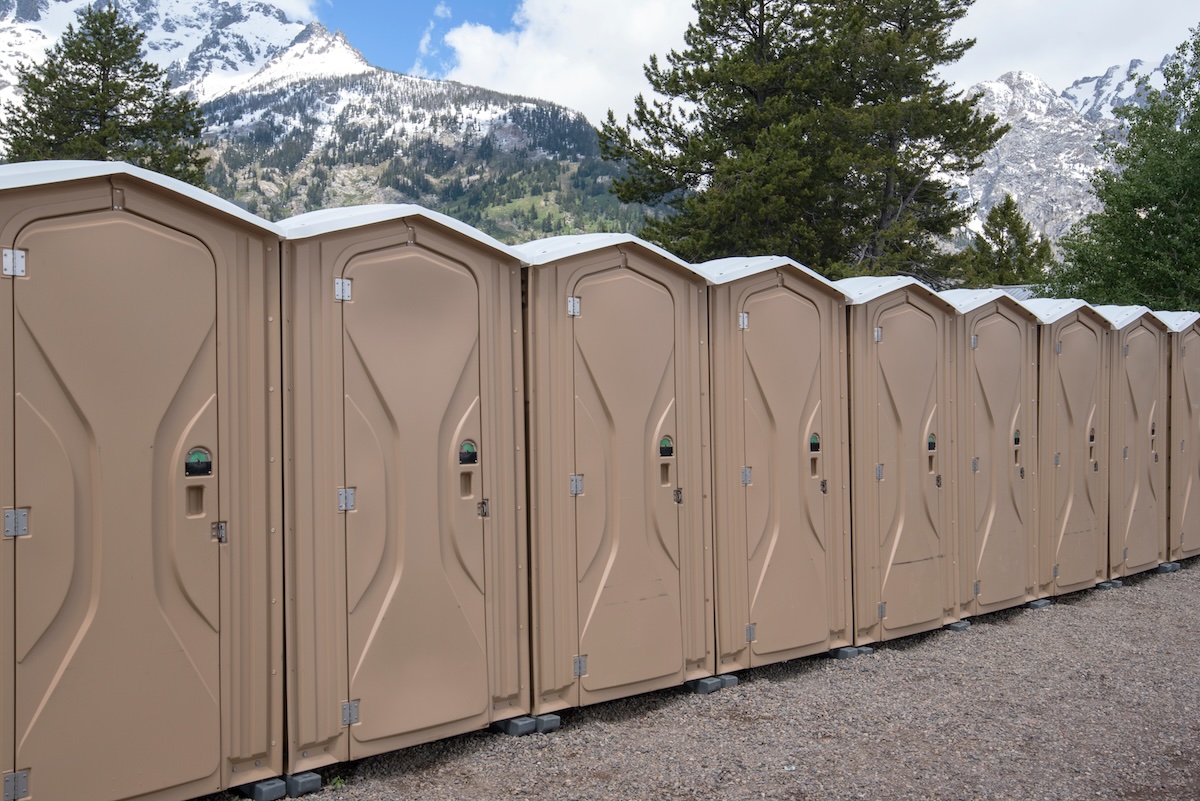
Placement needs to balance convenience, accessibility, and service logistics. Guidelines vary, but some typical, example rules include:
- Flat, level ground (gravel or asphalt preferred, grass may be acceptable if dry)
- Within a minimum amount of feet of vehicle access for servicing
- Not blocking fire lanes, egress routes, or food prep areas
- Shielded from public view when possible, especially for upscale events
For ADA units and trailers, you’ll need wider clearance and sometimes ground stabilization. On soft surfaces, consider plywood platforms to prevent sinkage.
Compliance, Permits & Legal Considerations
Many jurisdictions require a permit to place portable restrooms on public property or in environmentally sensitive areas.
Common compliance triggers may include:
- Food service nearby: requires handwashing stations by law in most areas
- Public gatherings over X size: minimum ADA ratio and toilet count
- Proximity to water bodies or drains: limits placement zones to avoid runoff
- Long-term rentals: may require waste manifest documentation or inspections
Vendors often handle permitting if requested, but it is still your liability if something’s placed illegally. Remember that this guide is not a legal authority and does not replace local ordinances, health codes, ADA regulations, or zoning requirements.
Winterization and Weather Adaptability
Portable restrooms are used year-round, but freezing temps and extreme heat present unique challenges.
Cold Weather Use
In freezing climates, vendors will often winterize units by:
- Adding RV-grade antifreeze to the tank to prevent freezing
- Using insulated units or heated trailers for comfort in longer-term use
- Switching out sinks with hand sanitizer-only options if water lines can’t be protected
Powerless trailers and units with water-based sinks may not be serviceable in sub-freezing conditions without added infrastructure (like heated enclosures or power cords).
Hot Weather Considerations
Heat amplifies odor, increases waste breakdown rates, and can create uncomfortable conditions inside the unit. Strategies include:
- Shading or tenting over units
- More frequent servicing during hot months
- Switching to trailers with ventilation or A/C for upscale or long-term needs
Certain high-end trailers come with climate control specifically for use in southern states during summer weddings or events.
How Portable Toilets Work
Portable restrooms work on a sealed holding tank system, which is pumped out using a vacuum service truck. Waste is transferred to an approved municipal or commercial disposal facility—typically a wastewater treatment plant.
Chemical Breakdown
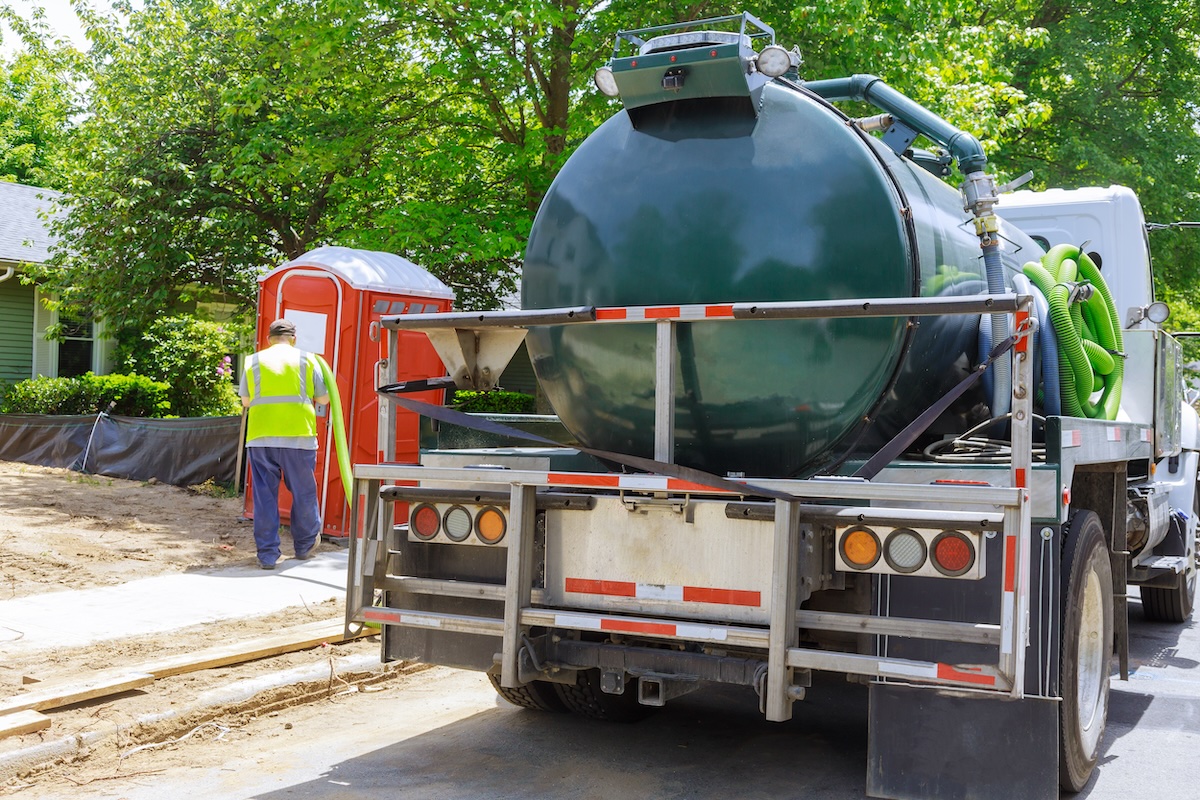
Inside the tank, a chemical cocktail does most of the heavy lifting:
- Dyes: Blue or green to hide waste and signal when treatment chemicals have broken down
- Deodorizers: Masking agents, odor neutralizers, and enzymatic treatments
- Surfactants and preservatives: To reduce buildup and slow bacterial growth
- Biological treatments (optional): Some vendors now use enzyme-based solutions that break down solids more completely and are easier on treatment plants
Most units are serviced weekly, but high-traffic events may require multiple cleanings per day. If a unit is underserviced, the smell becomes unpleasant and can quickly become a sanitation issue.
Cost aside, trailers are more complex to deliver and maintain. They require power, water (or freshwater tanks), and often flat paved access. They’re best suited for formal events, hospitality zones, and long-term temporary installations near infrastructure.
A Few Final Planning Tips
- Don’t wait until the week before. Units and trailers get booked months in advance for peak event seasons, especially spring/fall weddings and summer construction booms.
- Think beyond toilets. Don’t forget about handwashing, trash, and lighting. A poorly lit unit without soap or hand sanitizer is a complaint waiting to happen.
- Remember: If there’s one constant across all types of rentals, it’s this: people notice when restrooms are missing, dirty, or locked. They rarely praise them—but they’ll absolutely complain when something’s wrong.
Portable restrooms solve real logistical problems, but only when planned for correctly. The right type, placement, and service frequency all hinge on your scenario. What works for a 30-person framing crew in a suburban development won’t translate directly to a public park expecting 2,000 guests and no built-in facilities. Different environments call for different levels of planning—and the right setup depends on more than just headcount.
Portable restrooms deserve the same level of foresight as parking, power, or water access—because when they’re planned well, everything else runs more smoothly around them.