
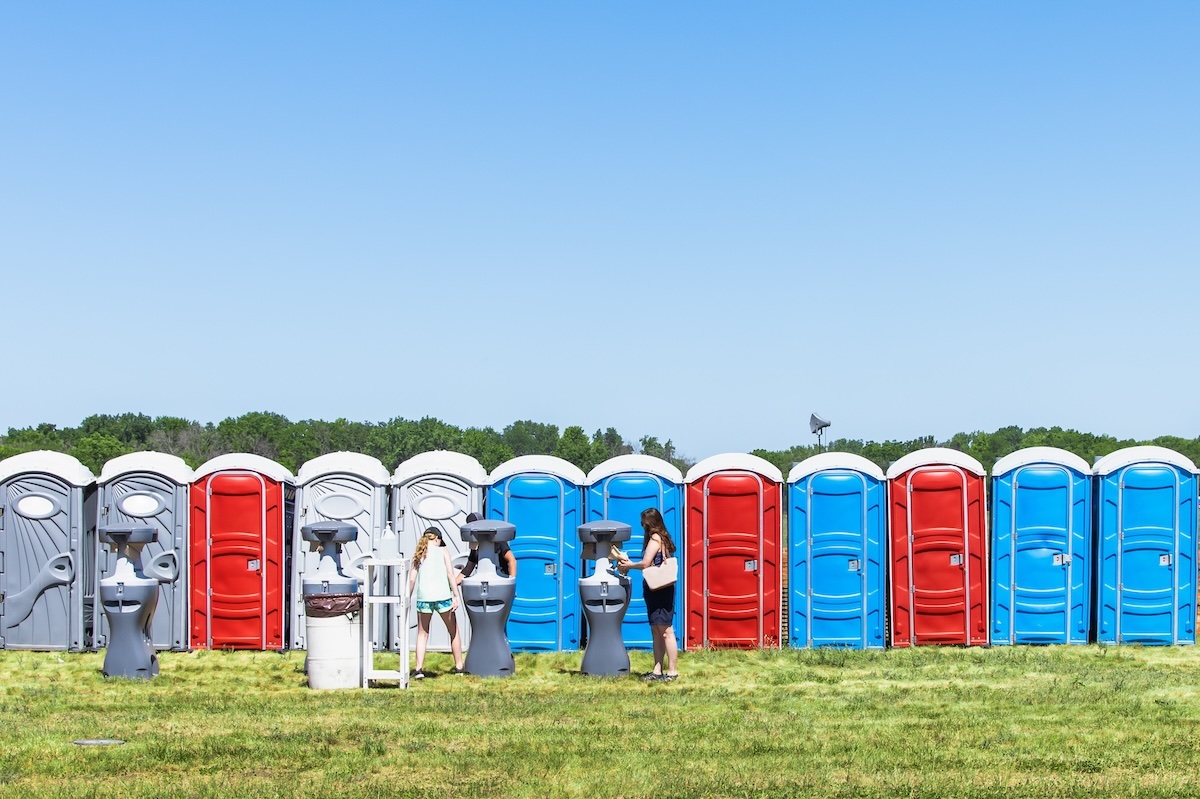
Every outdoor event runs on a long list of details: the layout, the timing, the menu, the parking, a backup plan for weather, and the cleanup that follows once the last guest leaves. Restroom planning belongs on that same list, even though it tends to get pushed toward the bottom. A well-planned outdoor restroom setup rarely gets noticed. Guests know where to go, lines move at a reasonable pace, the area stays tidy, and the event simply feels more organized from start to finish.
Planning an outdoor restroom rental involves more than counting heads and ordering units. It means choosing equipment that fits the setting, placing it where guests can find it without disrupting the flow of the event, budgeting for handwashing, accounting for how long people will be on site, and coordinating delivery and servicing so nothing interrupts the day. A backyard wedding, a downtown festival, a 10K race, and a multi-day outdoor gathering can all draw a similar number of guests and still call for very different restroom plans.
This guide covers the main decisions that go into a practical, comfortable outdoor restroom plan, from choosing between standard units and upscale trailers to figuring out placement, servicing, and guest count.
Why Outdoor Restroom Planning Deserves Early Attention
Restrooms shape how comfortable people feel at an event, even when nobody mentions them directly. Guests rarely compliment a restroom setup that works well, but they will notice one that’s hard to find, has a long wait, lacks a place to wash up, or feels out of place within the venue. Planning ahead helps prevent those issues before they turn into distractions on event day. And a restroom plan locked in weeks ahead is one less fire for a planner to put out on the one day there’s no time to put out fires.
For event planners, good time management on event day is partially about not getting pulled into problems that could’ve been solved far earlier. And figuring out outdoor restroom rental is, relatively, a very easy one to knock off the planning list early.
For organizers, restroom planning also affects the flow of the entire space. An outdoor restroom should be easy to locate without becoming a focal point of the layout. It needs to sit close enough to be convenient, yet be positioned thoughtfully enough that it doesn’t compete with the atmosphere organizers worked hard to create. That balance matters at a formal wedding just as much as it does at a festival, a race, a school event, or even a private backyard party.
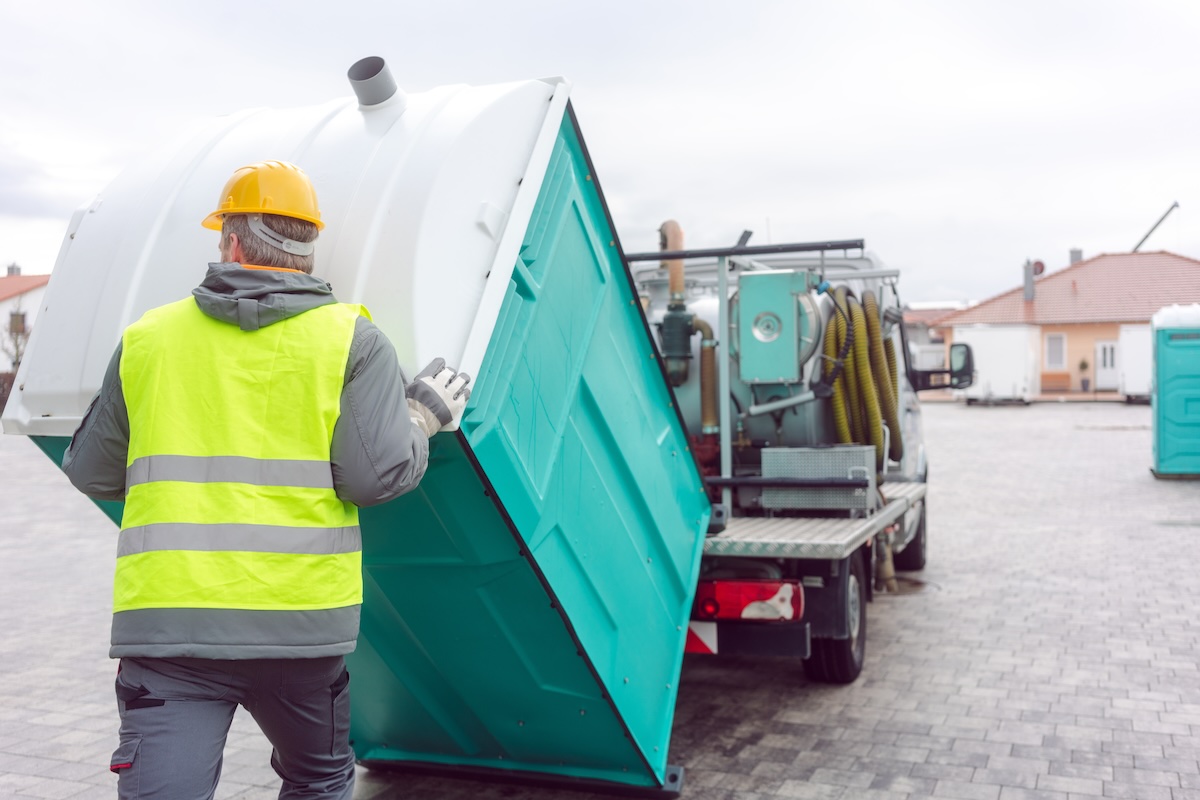
I’ll add that a solid plan also cuts down on operational stress. Delivery crews need clear access, units need level ground to sit safely, and longer events may call for servicing partway through. Working through these details ahead of time makes the event day run more smoothly and simplifies teardown once it’s over.
Think of it like sound system placement at a wedding: everyone needs to hear the toast, but nobody wants to see the speaker stack in every photo. Restrooms deserve that same ‘present but not the centerpiece’ treatment.
Which Outdoor Events Call for Restroom Rentals?
An outdoor restroom rental makes sense for any event where permanent facilities are unavailable, too far from the action, or not large enough to handle the crowd. Even venues with indoor bathrooms sometimes need extra portable restrooms if the guest list is large, the event spans multiple activity areas, or food and alcohol service is part of the plan.
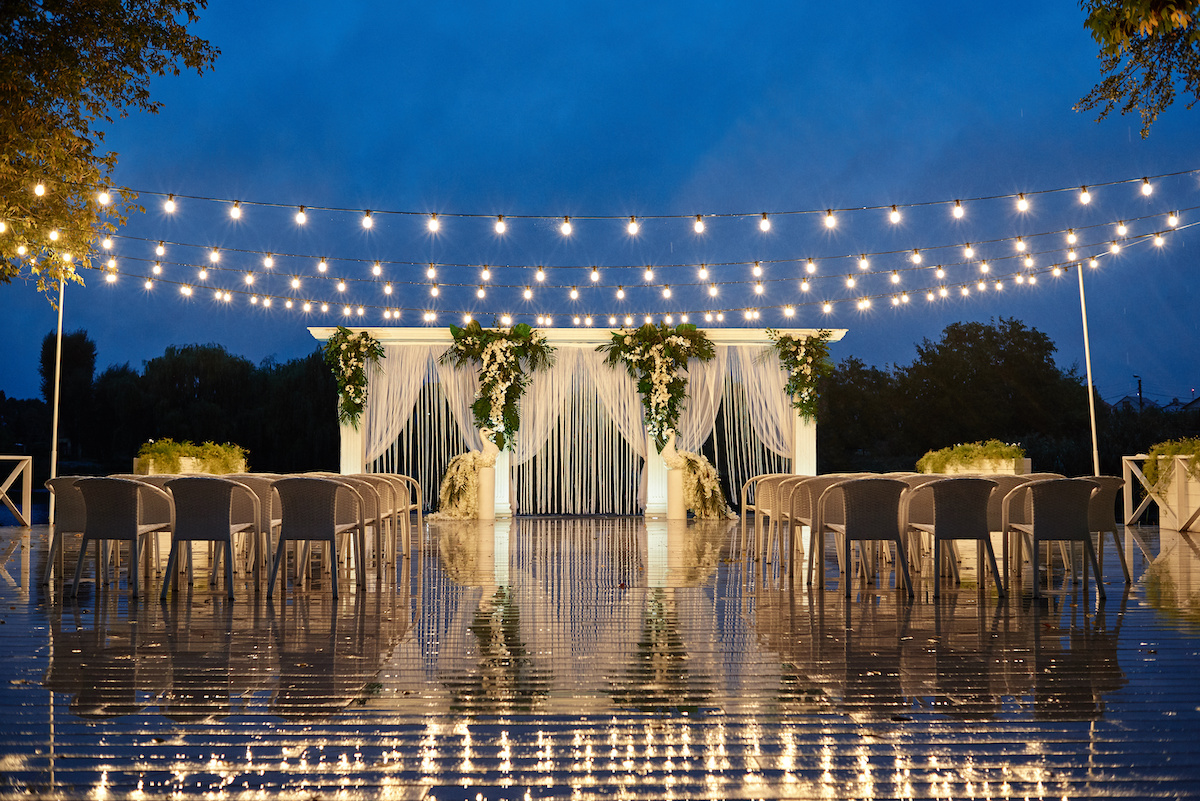
Weddings and private celebrations often need outdoor toilets because the event takes place on private land, at a barn venue, near a lake, in an open field, or somewhere else without built-in facilities. Appearance matters here as much as basic function. Guests are usually dressed up, the event can run for several hours, and the restroom setup should feel like it fits the occasion rather than standing out from it.
Festivals, concerts, fairs, and community events typically call for more capacity and a more deliberate layout. These events bring steady foot traffic, predictable peak periods, food vendors, and guests moving constantly between different zones of the site. A single cluster of restrooms is often not enough once the event site spreads out.
Runs, races, tournaments, school functions, church gatherings, corporate picnics, farm events, and private parties each bring their own usage pattern. A race may see a rush of restroom traffic right before the starting gun, while a family reunion may only need a modest setup near the food tables. The right plan depends less on the type of event and more on how people will actually move through the space over the course of the day.
How Many Units an Outdoor Event Actually Needs
Calculating how many outdoor restrooms to rent depends on guest count, how long the event runs, whether food and drinks are served, whether alcohol is available, and how traffic is likely to spike at certain points in the day. A one-hour outdoor ceremony with fifty guests has very different needs than a six-hour festival with food trucks and a full concert lineup, even though both technically qualify as outdoor events.
Guest count is the starting point for any outdoor restroom rental, but it shouldn’t be the only number organizers look at. Events that run longer naturally need more restroom access, since people are on site for more hours. Meals and drinks increase usage, and alcohol tends to increase it further.
Scheduled breaks, intermissions, halftimes, or start-line rushes can also create short but intense spikes in demand, even at events where overall attendance is fairly manageable.
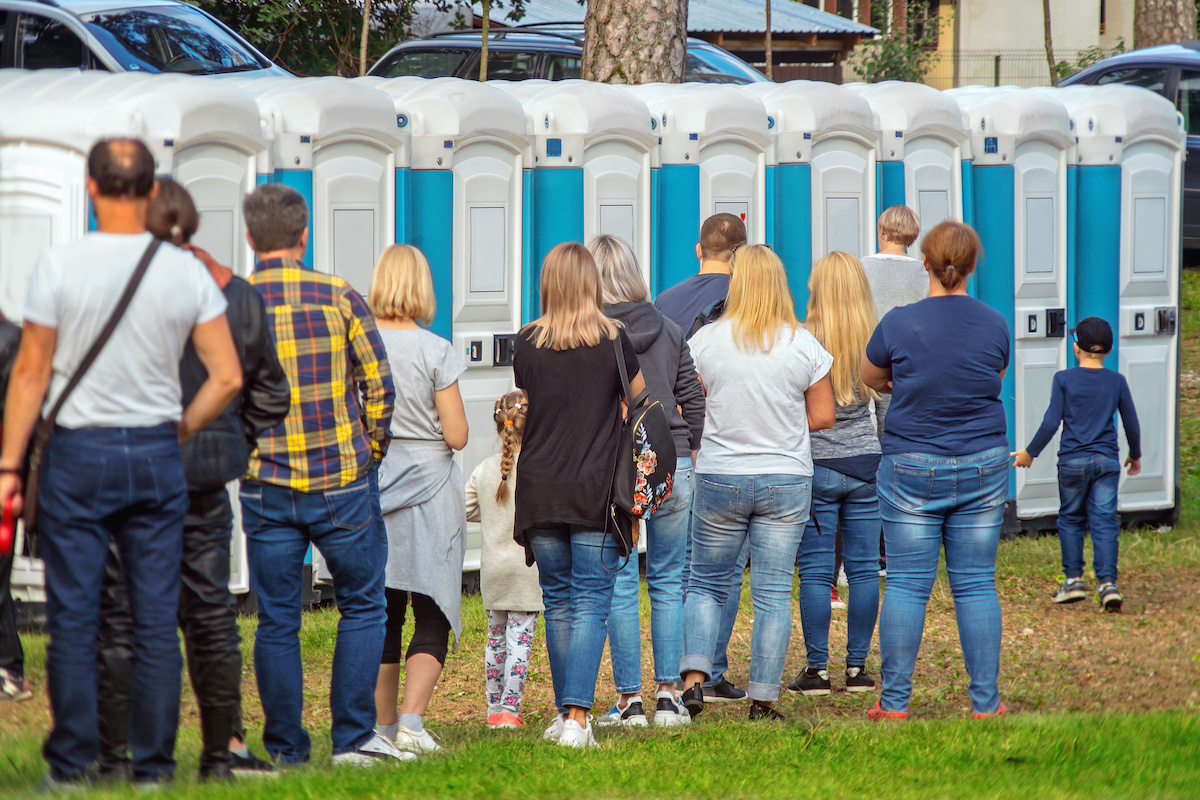
As a general planning reference, many event organizers work from a rough guideline of roughly one restroom for every 50 to 75 guests for a several-hour event, adjusting up when alcohol, extreme heat, or a long duration is involved. This kind of ratio is only a starting point, and an experienced outdoor restroom rental provider can usually offer a more precise recommendation based on the specifics of the event, especially if you need to know how many porta-potties to rent for 100 people or more.
It’s often wiser to plan with a small cushion rather than cut the count too close. Too few units can create lines, frustrate guests, and put more wear on the units that are available. A slightly more generous plan helps protect the guest experience, particularly for weddings, festivals, and public events where crowd flow and comfort carry real weight.
Where to Place an Outdoor Restroom
Placement is one of the most important pieces of outdoor restroom planning, and it’s also one of the easiest to get wrong. Restrooms need to be easy to reach, easy for a service crew to access, and positioned in a way that fits naturally into the event layout. Poor placement can make even a well-calculated unit count feel inadequate.
Now, a strong location sits close enough that guests can find it without a long walk, but far enough that it doesn’t crowd dining areas, ceremony space, seating, photo backdrops, vendor booths, or the main gathering area. For weddings and other formal events, placement often needs to stay somewhat discreet while remaining genuinely practical. For festivals and public events, visibility and ease of movement through the crowd usually matter more than discretion.
Ground conditions deserve attention too. That is, outdoor restrooms should sit on flat, stable ground whenever possible, since soft, muddy, sloped, or uneven terrain can create problems both during setup and throughout guest use. Service access matters just as much: delivery and pickup crews need a clear path to place and later remove the units, and events running more than a day may require access for mid-event servicing as well.
I’ll say that lighting is easy to overlook until an event runs into the evening. Guests should be able to find and use the restroom area safely after dark, so placing units near existing lighting, or bringing in temporary lighting, can make the whole setup feel noticeably more comfortable and secure.
Choosing the Right Outdoor Restroom Setup
Not every event calls for the same equipment. Some outdoor gatherings need straightforward, durable units built to handle a steady flow of guests. Others call for a more comfortable, upscale option that matches a formal setting. Many events end up combining a few different pieces: standard portable restrooms, a restroom trailer, and one or more handwashing stations.
The right combination depends on the type of event, expected attendance, how long it runs, the setting, and what guests are likely to expect. A community 5K, for instance, tends to prioritize capacity and quick access near the start and finish lines. A wedding usually places more weight on comfort, privacy, lighting, and a finished interior. A multi-day outdoor event often needs a plan that accounts for both unit quantity and ongoing servicing throughout.
Standard Portable Restrooms
Standard portable restrooms, sometimes called porta-potties, remain the most common choice for outdoor events because they perform well across a wide range of settings. They’re practical, durable, and budget-friendly, which makes portapotty rental a dependable option for festivals, races, private parties, construction-adjacent events, school functions, church gatherings, and general outdoor use.

A well-built standard unit covers the essentials without overcomplicating the setup. Large holding tanks support extended event use, and ventilation is designed to help manage odor and keep the interior more comfortable throughout the day. Durability matters here too, since outdoor units are exposed to sun, wind, shifting temperatures, and frequent traffic over the course of an event.
Many standard units include separate urinal and seated toilet areas, which can improve usability and move traffic through faster. Small details, like a coat hook for a purse or jacket, can also make a real difference to guests. These units tend to be especially useful when an event needs reliable coverage spread across a larger site, or when organizers need to balance capacity against budget.
Luxury Restroom Trailer Rentals
For formal events and gatherings where guest experience is the priority, a two-stall comfort-station restroom trailer can offer a noticeably more polished experience than standard units. These trailers often work well for weddings, corporate events, private parties, and other upscale outdoor functions where the restroom setup should match the tone of the rest of the day.

A two-stall trailer provides two individual suites, giving guests privacy along with a more finished interior. Features like interior lighting, climate control, flushable toilets, concealed holding tanks, and fully working sinks can make the experience feel close to a traditional indoor restroom. That extra comfort tends to matter most at events where guests are dressed formally, staying for several hours, or simply expecting a higher standard.
Restroom trailers do require more upfront planning than standard units. A two-stall comfort station typically needs access to 120V AC power, which means the site either needs a standard outlet nearby or a generator plan. Placement should also account for delivery access, level ground, and how the trailer fits into the broader event layout. When those details are handled early, a trailer can blend into an event far more naturally than a basic restroom cluster tucked off to the side.
Free-Standing Handwashing Stations
Handwashing stations are a key part of outdoor restroom planning, especially for events involving food, drinks, children, vendors, or guests who will be on site for several hours. They give people a dedicated place to wash their hands instead of relying solely on hand sanitizer or whatever facilities happen to already exist on the property.

Free-standing stations are flexible because they can be placed near restroom clusters, food service areas, or any other high-traffic zone in the event layout. Foot-pump operation supplies running water while helping limit waste, and soap along with paper towels are typically included. That makes them a convenient addition for events and job sites alike.
At outdoor events, visible handwashing access signals that sanitation was actually part of the planning process rather than an afterthought. On job sites, the same equipment can help meet safety and workplace requirements where applicable.
Outdoor Restroom Rental for…
Weddings
Outdoor weddings need a restroom plan that supports both comfort and appearance at the same time. Guests may be dressed formally, walking across grass or gravel, and staying through a ceremony, cocktail hour, dinner, and dancing that can stretch the event well into the evening. The restroom setup should be easy to reach without becoming part of the main visual scene.
For many weddings, renting one or more restroom trailers is worth it, since it tends to deliver a more polished guest experience overall. Interior lighting, climate control, real sinks, and private suites can make the setup feel appropriate for a formal occasion. Standard portable restrooms can still work well for casual weddings or as supplemental capacity, so the decision usually comes down to the couple’s expectations and the guest list.
Placement carries extra weight at weddings specifically. Restrooms should sit close enough for guests of every age to reach comfortably, while staying far enough from the ceremony, dining area, and photo locations to protect the atmosphere. Lighting, signage, and ground conditions are all worth reviewing well before the event date, not the morning of.
Festivals / Community Events
Festivals and community events generally call for a restroom plan built around capacity. Attendance can stretch across many hours, and guests tend to move between vendors, stages, seating areas, food trucks, and activity zones throughout the day. Restrooms work best when they’re placed to support that natural movement rather than sitting in one central spot.
At larger events, several smaller restroom areas usually outperform one large cluster. Spreading units out helps prevent crowding at any single location and keeps restrooms convenient no matter where guests are on the grounds. Standard portable restrooms are the common choice here, since they provide practical coverage across a high-traffic footprint.
Handwashing stations become especially important once food vendors are involved. Placing them near restroom areas and within reasonable distance of food zones supports sanitation without slowing down foot traffic. Organizers should also plan for service access ahead of time, since large or long-running events may need mid-event maintenance to keep everything running smoothly.
Runs, Races, and Sporting Events
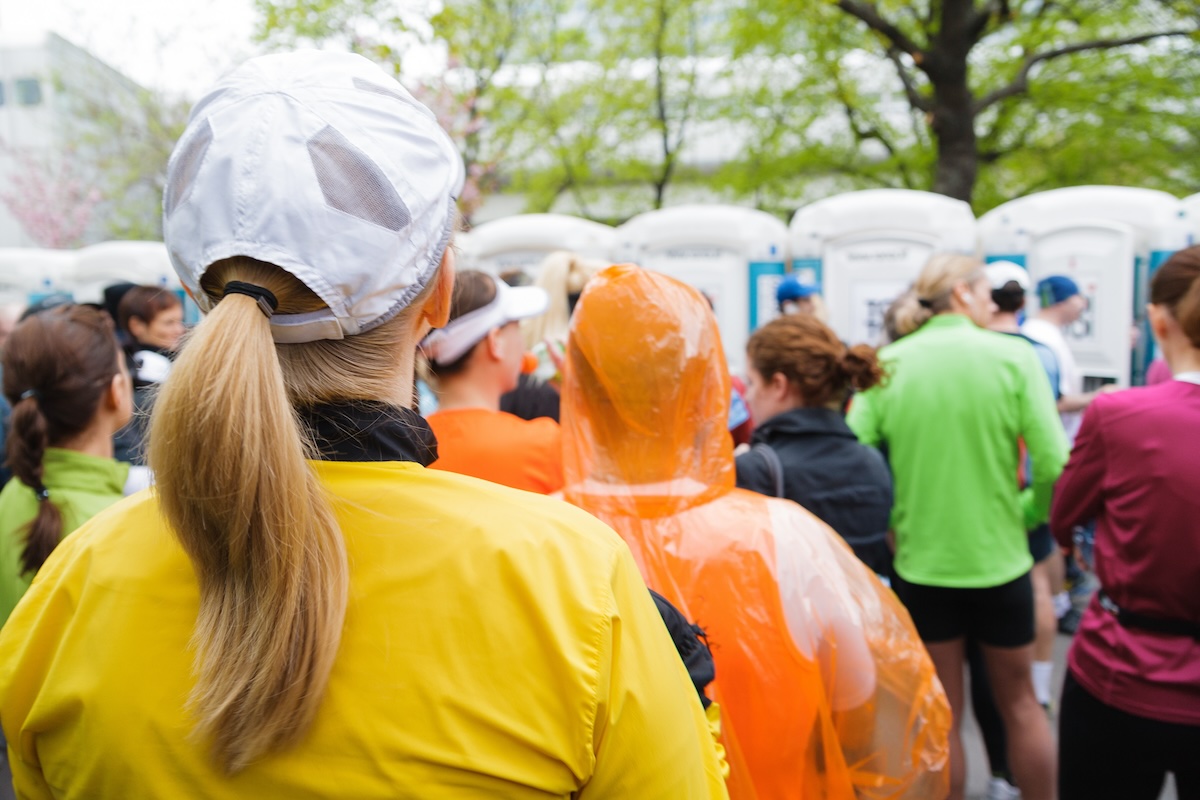
Runs, races, tournaments, and other sporting events tend to follow a predictable restroom demand pattern. The heaviest demand often hits before the event starts, especially near start lines, registration tables, parking areas, and team gathering spots. Once the event wraps up, demand can rise again near finish lines, concession stands, or awards areas.
Because demand arrives in waves rather than staying steady, placement matters just as much as the total count. For a race, restrooms should sit near the starting area so participants aren’t forced to walk far before lining up. Longer races or events spread across a wide course often need additional units at key points along the way. For tournaments, restrooms should stay convenient for athletes, spectators, coaches, and families alike.
Standard portable restrooms are usually the practical choice for these events, since they can be placed wherever the crowd needs them most. Handwashing stations add another layer of comfort, particularly when concessions, team meals, or family areas are part of the day.
Outdoor Restroom Rental Considerations
Handwashing, Sanitation, and Overall Guest Comfort
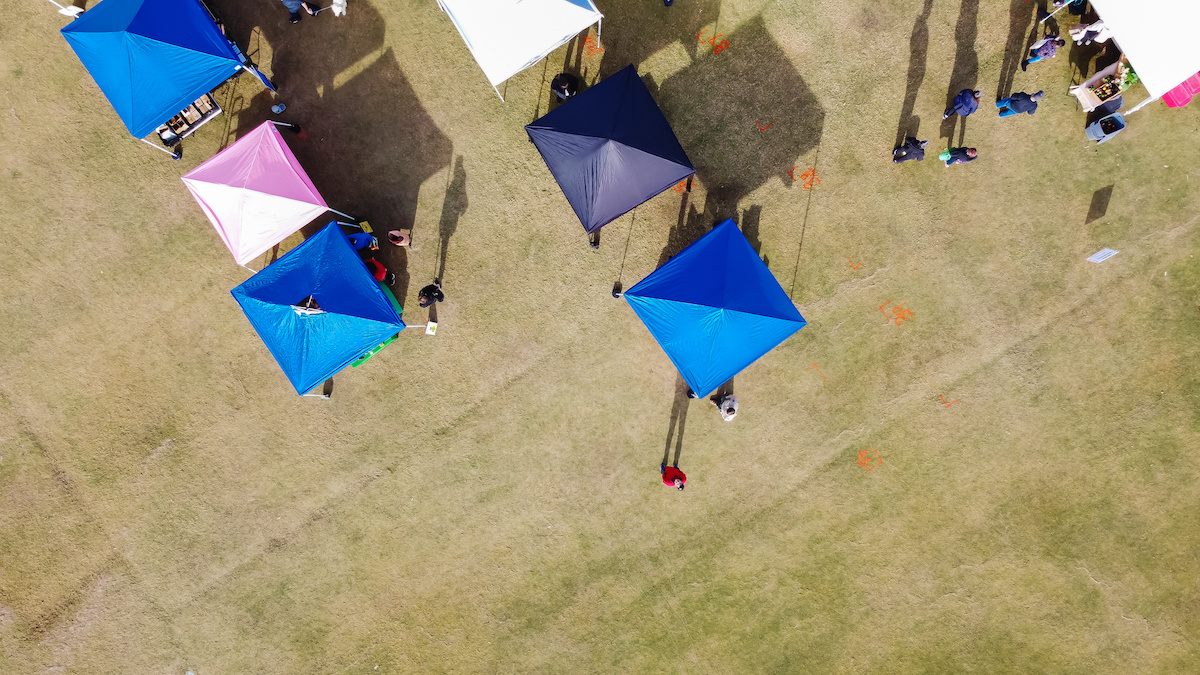
Guest expectations around cleanliness run high at outdoor events, and there’s no reason that should be harder to meet than it is indoors. A restroom setup feels more complete once handwashing is easy to access and the surrounding area stays organized. None of this requires an overly complicated plan. It mainly means pairing the right equipment with thoughtful placement.
Handwashing stations generally work best near restroom areas, positioned so they don’t block unit doors or create bottlenecks. For food-centered events, additional stations near eating or vendor areas can be worth the extra cost. For family events, visible handwashing access can make the whole setup feel more comfortable for parents and for guests traveling with children.
Servicing is also worth planning for on longer events. A short private gathering may only need delivery and pickup, while a longer festival or multi-day event may need scheduled maintenance in between. Working this out ahead of time keeps the event organized and helps avoid problems that are much harder to fix once guests have already arrived.
Delivery, Setup, Servicing, and Pickup
The logistics behind an outdoor restroom rental get a lot easier once the site plan is clear. Before delivery day, organizers should know exactly where units will sit, how delivery trucks will reach that spot, whether the ground is stable enough, and whether gates, fences, parking areas, or event structures might block access.

Setup should happen early enough that organizers have time to review placement before guests start arriving. For formal events, that buffer also leaves room to adjust signage, lighting, or screening if something doesn’t look right. For public events, early setup gives vendors, staff, and volunteers a chance to learn where the restroom areas are located before the crowd shows up.
Servicing needs depend on event length, attendance, and the number of units on site. Some events only need standard delivery and pickup. Others benefit from maintenance mid-event or between event days. Pickup should also be scheduled so it doesn’t collide with teardown crews, departing guests, or other vendors removing their own equipment.
Common Planning Mistakes
One of the most common mistakes is renting too few units. This usually happens when planning is based on guest count alone, without factoring in event length, alcohol service, meals, or predictable peak periods. Even when the total looks reasonable on paper, guest experience can still suffer if lines form during the busiest stretches of the day.
Poor restroom placement is another common issue. Restrooms that sit too far away, lack clear signage, get placed on uneven ground, or crowd food and seating areas tend to generate complaints. A strong location balances convenience, discretion, safety, and service access all at once.
Some organizers also leave handwashing out of the plan until late in the process. Outdoor portable handwashing station rental is a fairly simple addition, but they can meaningfully improve the overall setup. Waiting too long to book anything at all is another avoidable problem, particularly during busy outdoor event seasons when equipment availability can get tight.
Outdoor Restroom Planning Checklist
Before finalizing an outdoor restroom rental, run through the basics:
- Estimate total guest count and event duration
- Account for meals, drinks, alcohol, and peak usage windows
- Decide whether standard units, a restroom trailer, handwashing stations, or a combination fits best
- Choose placement based on traffic flow, visibility, privacy, lighting, and service access
- Confirm the ground is level and reachable for delivery vehicles
- Plan handwashing near restroom areas and food service zones where relevant
- Consider accessibility needs for guests, staff, and vendors, including ADA-compliant units if required
- Confirm whether the rental period requires mid-event servicing
- Schedule delivery early enough to review placement before guests arrive
- Make sure pickup lines up with the overall teardown plan
Planning Around Local Conditions
Outdoor restroom planning should also take the specific location of the event into account. Terrain, weather, venue layout, parking access, and distance from permanent facilities can all influence the final setup. An event held in a mountain-area field, a neighborhood park, a lakefront property, or a rural private venue may each call for a different placement strategy, even with a similar guest count.
Local event patterns matter too. Some regions see a heavier mix of outdoor weddings and private-property events, while others lean more toward festivals, races, construction or military uses, or seasonal tourism events. A practical restroom plan should fit how the space will actually be used on event day, rather than following a one-size-fits-all formula.
Final Thoughts on Outdoor Restroom Planning
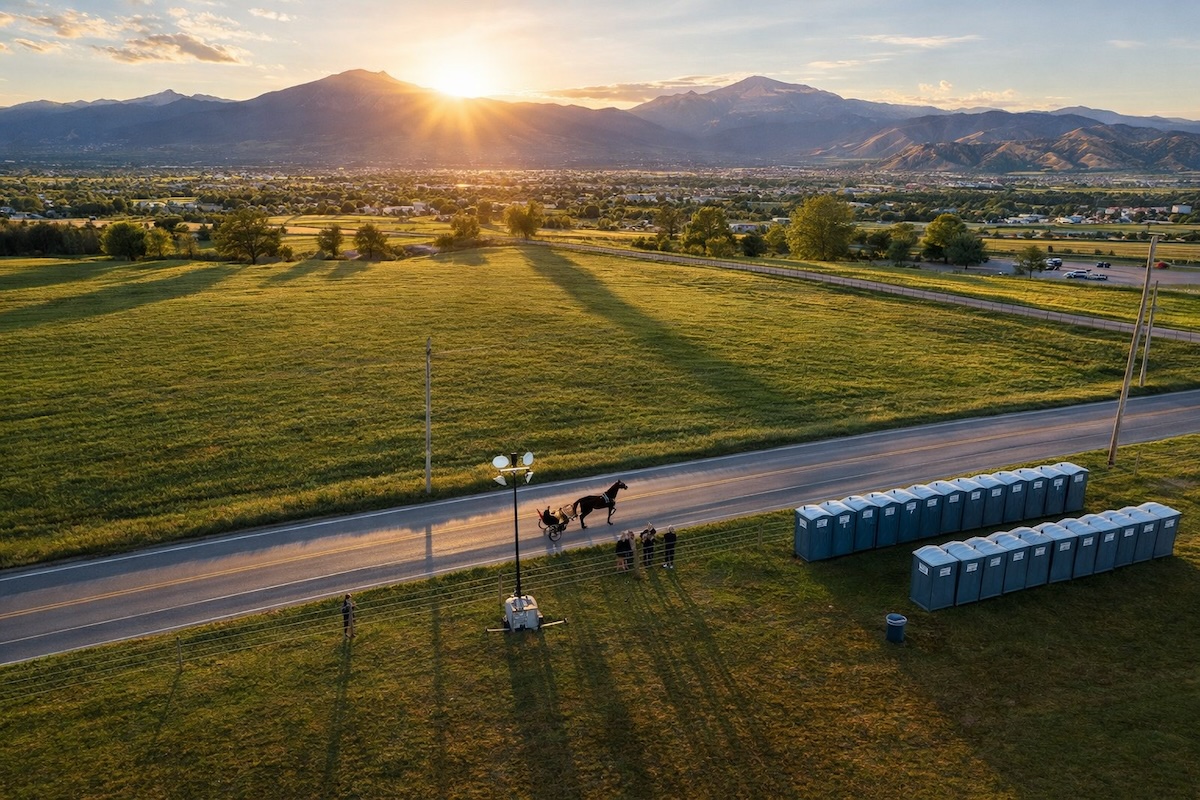
A good outdoor restroom setup tends to be quiet and practical, and easy for guests to use without a second thought. It doesn’t need to draw attention to itself. It simply needs to support the event, keep guests comfortable, and stop small logistical issues from turning into bigger ones later in the day.
The best outdoor restroom rental plans start with the event itself: who’s attending, how long they’ll be there, what they’ll be doing, and what level of comfort the setting calls for. From there, organizers can settle on the right mix of standard portable restrooms, handwashing stations, and restroom trailers, then place everything in a way that supports the natural flow of the event.
When restroom planning gets the same attention as parking, food, seating, and cleanup, the whole event tends to feel more organized from the moment guests arrive to the moment the last unit gets picked up.